
Researchers at Washington University in St. Louis have developed an advanced machine learning method to better predict patient recovery from lumbar spine surgery. Led by Chenyang Lu from the McKelvey School of Engineering and Jacob Greenberg from the School of Medicine, the team leveraged Fitbit data and machine learning to enhance outcome predictions for spine surgery patients. Their new model, detailed in the journal Proceedings of the ACM on Interactive, Mobile, Wearable and Ubiquitous Technologies, surpasses previous prediction models by integrating multifaceted patient data, including physical activity and mental health assessments. This innovative approach offers tailored treatment plans and improves early intervention strategies, potentially revolutionizing post-operative care and patient outcomes in orthopedic surgeries.
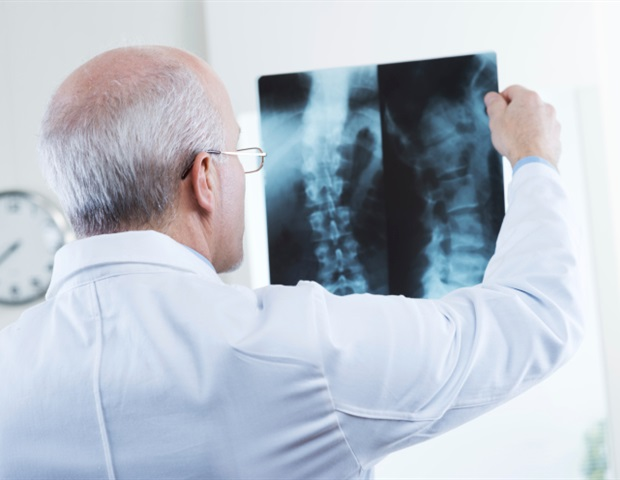
Revolutionizing Spine Surgery – AI Predicts Patient Recovery
Advanced AI model significantly improves lumbar spine surgery outcome predictions by integrating diverse patient data.
1–2 minutes

TOP STORIES

Obama stresses Democrats must prioritize AI safety and economic strategy …

Amodei’s call for caution in AI development highlights the need for safety and alignment …

Sony Music and Warner Music have sued Anthropic, accusing it of copyright infringement in AI training …

Huang believes Nvidia’s position in AI will lead to another year of record growth …

Anthropic’s report reveals a surge in distillation attacks by Chinese AI firms on U.S. models …

AI agents’ autonomy poses significant risks, as demonstrated by a recent breach …



