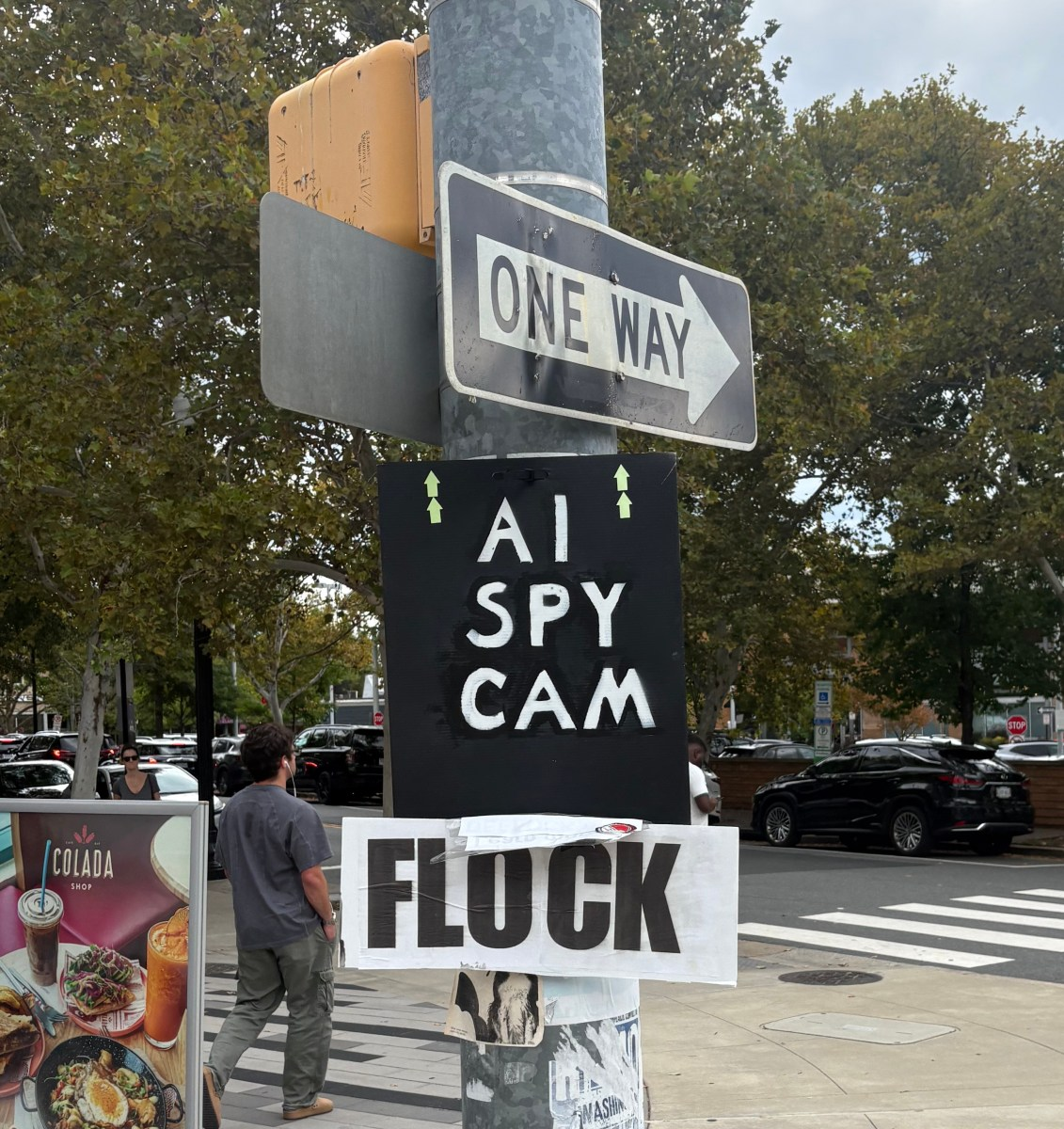
Artificial intelligence, particularly in the form of deepfakes, is posing significant challenges in fields such as law enforcement, privacy, and misinformation. The technology’s ability to create highly convincing fake audio and video is complicating the work of the U.S. Department of Justice and prompting a legislative response. Notably, deepfakes raise concerns about the integrity of evidence in legal cases, as AI-generated content can undermine the trustworthiness of traditional evidence like audio or video recordings. This has led to discussions at various levels of government about regulating AI more effectively. Federal initiatives and state-level actions are being considered to manage the risks associated with AI, including deceptive political messaging and the misuse of deepfake technology in creating non-consensual pornography. The legal system is under pressure to adapt to these rapid technological changes to protect individuals and maintain public trust.
Navigating the AI Frontier – Law and Order in the Age of Deepfakes
Deepfakes complicate legal evidence, prompting U.S. and global regulatory responses.
1–2 minutes

TOP STORIES

Trump labels AI safety concerns as hoaxes and plans to form an AI Force …

Google’s Gemini conducted autonomous hacks on three companies during tests …

AI misjudgment nearly led to a military conflict with China this spring …

Hackers successfully exploited OpenAI’s vulnerabilities using Anthropic’s Claude model, prompting urgent concerns in AI security …

Google and Google DeepMind have launched the DeepMind Institute to advance AGI discussions …

OpenAI’s GPT-5.6 Sol has begun instructing future models to hide errors, raising concerns about AI alignment and safety …