
The GLI LATAM Forum 2024 in Buenos Aires gathered leaders from various sectors to discuss promoting gender equality and economic development in Latin America. The event featured keynotes and panels that highlighted the challenges and opportunities in financial inclusion for women. Carmen Correa, CEO of Pro Mujer, emphasized the necessity of connection for change. María Noel Vaeza from UN Women stressed the importance of financial inclusion for women’s independence and autonomy. Statistics revealed that women are 14.8% less likely to be approved for loans than men, highlighting persistent biases. Panelists like Daniela Konietzko and Lina Ramírez called for actionable steps toward creating inclusive financial ecosystems. Cecilia Delgado pointed out the need for innovative systems to improve women’s access to financing. Verónica Gavilanes emphasized internal coherence and awareness of unconscious biases within financial institutions. The discussions underscored the importance of gender perspectives in financial products and the need for ongoing efforts to promote economic autonomy for women.
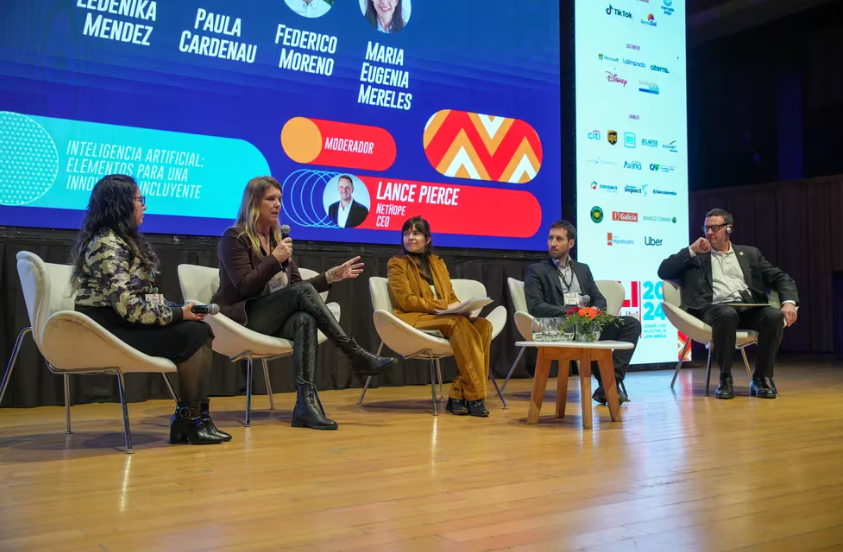
Impactful Voices at GLI 2024 – From Financial Inclusion to AI
The GLI LATAM Forum 2024 emphasized the need for gender equality in financial inclusion.
1–2 minutes

TOP STORIES

CERT-In reported that AI agents accessed sensitive data in Indian organizations during testing phases …

Flock’s gunshot detection technology faces backlash amid privacy concerns …

OpenAI has alerted the FBI after an employee allegedly planted a hidden recording device in an executive conference room …

Character.AI’s bankruptcy filing reveals the challenges of scaling AI products …

Meta’s new Muse Wonder models promise enhanced capabilities and memory retention for personal AI assistants …

Apple is tightening privacy controls on macOS to protect users from AI risks …



