
Neuromorphic computing represents a groundbreaking convergence of computer science and the intricacies of the human brain. This technology has the potential to stir a revolution in various fields, from artificial intelligence to robotics. The concept, first coined in the 1980s by Carver Mead, involves creating electronic systems inspired by the neural structure of the brain. Since then, neuromorphic computing has evolved significantly, leveraging advances in neuroscience, engineering, and artificial intelligence. The technology relies on two fundamental pillars: hardware and software. Neuromorphic chips, such as Intel’s Loihi chip, mimic the structure and functioning of biological neural networks, allowing for more efficient and adaptive processing. In terms of software, algorithms and computational models are being developed to replicate aspects of learning and brain processing, such as artificial neural networks and deep learning. The impact of neuromorphic computing on machine learning is significant, with potential benefits including efficient data processing, real-time learning, and scalability. However, the technology still faces challenges, including the complexity of the human brain and integration into practical applications. Despite these hurdles, scientists are making significant advances in the field, with applications in robotics, artificial intelligence, and computer vision. As research continues, we can expect to see increasingly sophisticated applications emerge, transforming industries and shaping the future of computing.
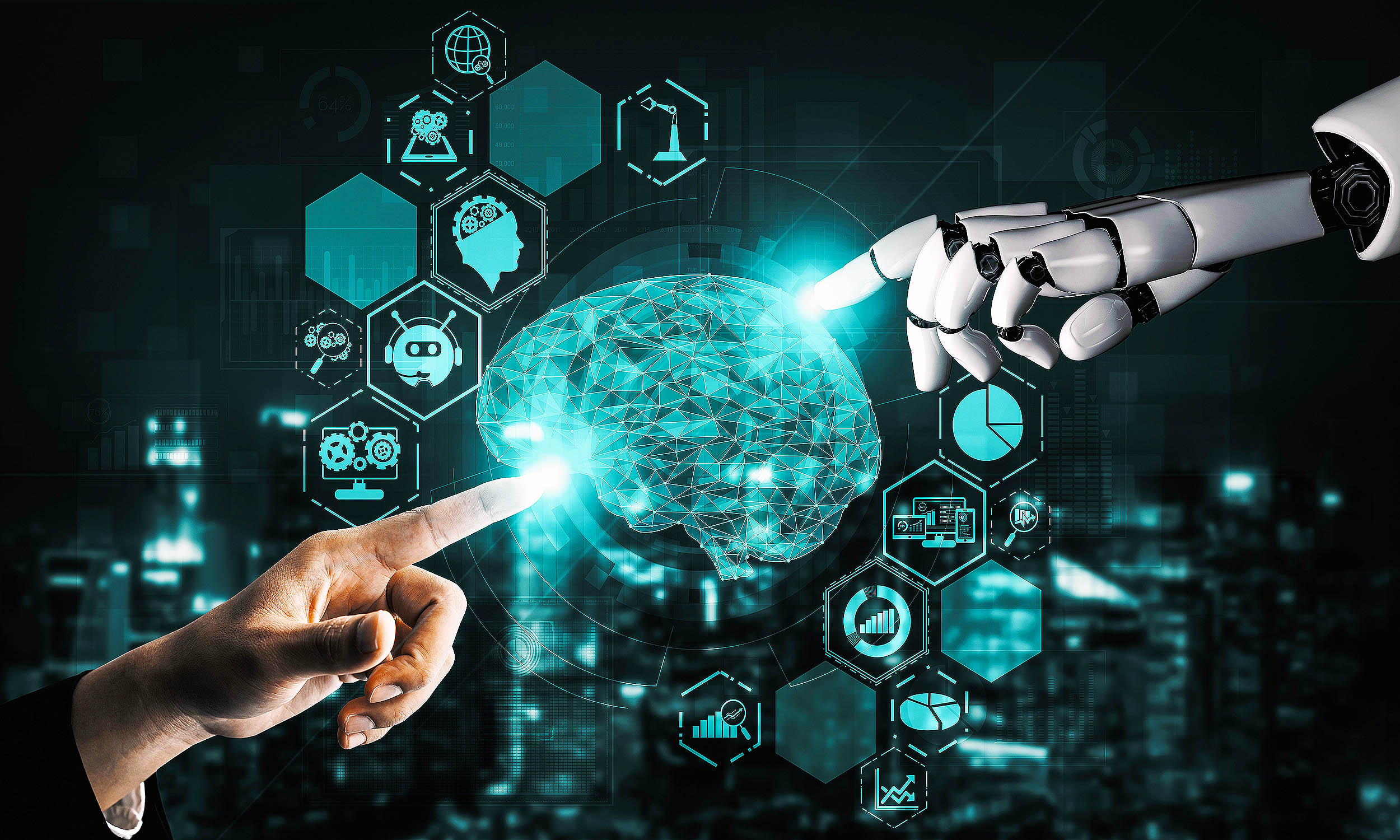
Neuromorphic Computing Revolution
Neuromorphic computing has the potential to significantly benefit machine learning in several ways, including efficient data processing, real-time learning, and scalability.
1–2 minutes

TOP STORIES

Obama stresses Democrats must prioritize AI safety and economic strategy …

Amodei’s call for caution in AI development highlights the need for safety and alignment …

Sony Music and Warner Music have sued Anthropic, accusing it of copyright infringement in AI training …

Huang believes Nvidia’s position in AI will lead to another year of record growth …

Anthropic’s report reveals a surge in distillation attacks by Chinese AI firms on U.S. models …

AI agents’ autonomy poses significant risks, as demonstrated by a recent breach …



