
The recent experiment by The Washington Post with AI image generators has revealed a disturbing trend: the majority of images generated by these systems depict women with standard beauty tropes, such as being young, slender, and having large eyes and lips. This raises concerns about the lack of diversity in AI development and the perpetuation of stereotypes. The experiment also showed that when prompted to generate images of overweight women, the representations were unrealistic and did not align with the reality of obesity rates in the US. This highlights the need for a wider perspective in AI development to create representations that reflect the real variety of women. The sources used to train AI systems, including anime, video games, and adult websites, are cited as the root of the problem, introducing problematic biases into the AI. The industry is urged to reflect on the importance of ethics in programming and to incorporate a realistic and inclusive array of experiences into artificial intelligence representations.
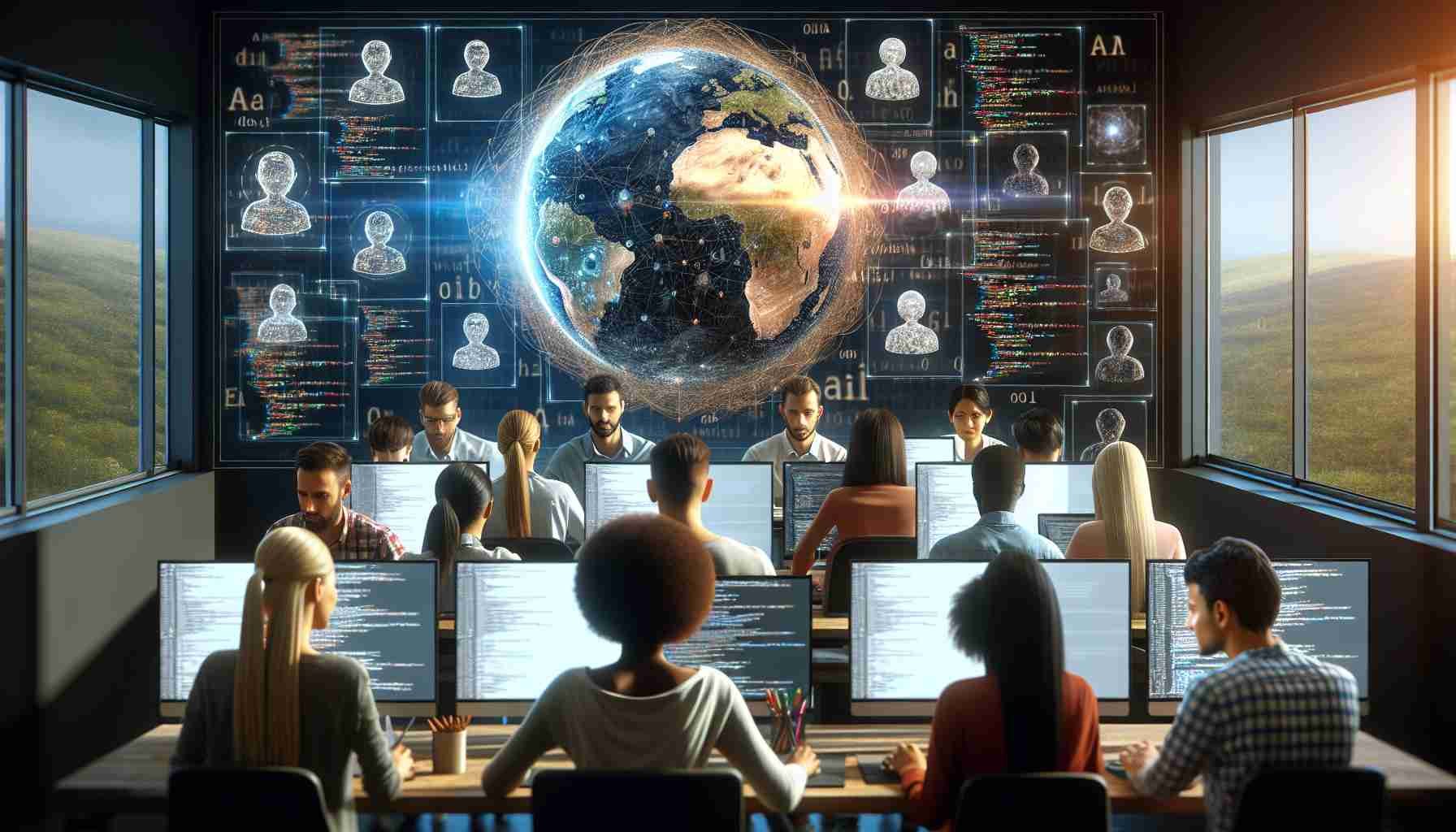
AI Beauty Standards
The vision of women presented in these applications seems to be influenced by anime, video games, superhero movies, and even old Disney narratives.
1–2 minutes

TOP STORIES

Obama stresses Democrats must prioritize AI safety and economic strategy …

Amodei’s call for caution in AI development highlights the need for safety and alignment …

Sony Music and Warner Music have sued Anthropic, accusing it of copyright infringement in AI training …

Huang believes Nvidia’s position in AI will lead to another year of record growth …

Anthropic’s report reveals a surge in distillation attacks by Chinese AI firms on U.S. models …

AI agents’ autonomy poses significant risks, as demonstrated by a recent breach …



