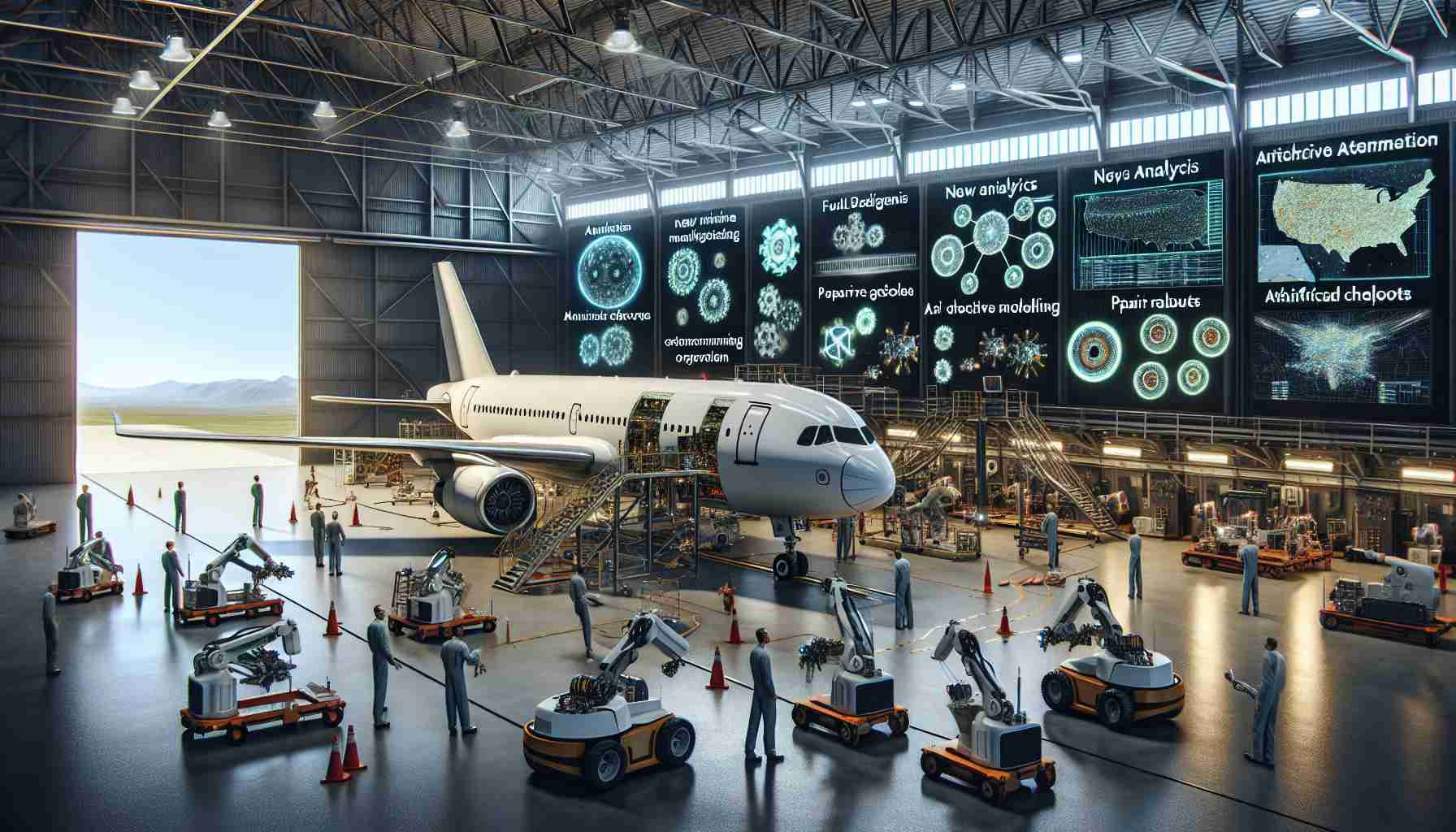
The integration of artificial intelligence (AI) in the aerospace Maintenance, Repair, and Overhaul (MRO) sector is transforming the industry’s landscape, with companies, airlines, and research centers collaborating to develop AI-driven solutions. These innovations aim to enhance aircraft and engine inspections, create smart hangars, generate digital twins of assets, and automate technician log entries and troubleshooting skills. The effective application of AI in the MRO sector signifies a major step towards efficiency, resource optimization, and the elevation of safety standards within the aviation industry.
As AI-driven tools become more prevalent, they can lead to improved prediction and identification of potential faults, thereby preventing them before they occur. This predictive maintenance capability can result in fewer unscheduled repairs and reduced downtime for aircraft. AI can streamline the MRO process by automating documentation, optimizing maintenance scheduling, and assisting in resource allocation. It can also improve safety by ensuring that maintenance procedures are followed accurately and consistently.
However, challenges arise from the initial cost and complexity of integrating AI technology into existing MRO systems, as well as the need for large, high-quality datasets to train AI models effectively. Additionally, there are concerns about the acceptance and trust in AI recommendations by human technicians, as well as the potential for reduced human expertise as AI begins to automate more routine tasks.