The rise of generative AI poses a significant threat to personal identity as it can create highly realistic synthetic media, including deep fakes and cheap fakes, that convincingly mimic real individuals. These advanced algorithms can generate images, videos, and audio recordings that are often indistinguishable from authentic content, potentially depicting individuals engaging in activities they never did or saying things they never said. This has led to concerns about identity fraud, scams, and hoaxes, as well as the misuse of biometric data. To mitigate these risks, there is an urgent need for comprehensive privacy legislation, such as the Biometric Information Privacy Act, to ensure that the misuse of someone’s identity using generative AI is punishable by law. It is essential to prioritize privacy regulations, transparent data practices, and secure storage systems to protect individuals’ fundamental rights in the digital age.
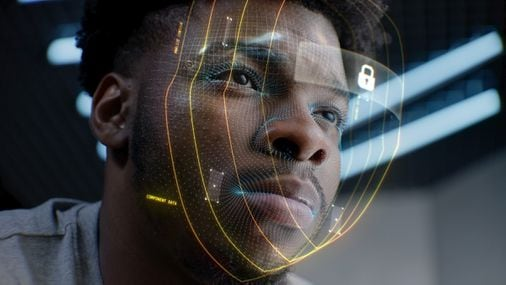
AI’s Identity Theft Threat
Generative AI represents a concerning intersection of advanced technology and privacy infringement.
1–2 minutes

TOP STORIES

Google is partnering with Samsung to produce a new TPU, but TSMC remains crucial …

Attorneys can no longer claim ignorance of AI hallucinations as courts demand accountability …

Anthropic’s suspension of AI model access highlights India’s reliance on foreign technology and sparks discussions on developing domestic AI capabilities …

Quantum computing is transforming industries, but it poses significant cybersecurity risks …

A coalition of state attorneys general has opened an investigation into OpenAI …

The U.S. government’s export control directive has forced Anthropic to disable its new AI models, raising questions about regulation and …