
The U.S. Federal Trade Commission (FTC) plans to closely examine the rise of AI technology across all sectors, as announced by FTC Chair Lina Khan at the TechCrunch’s StrictlyVC event in Washington, D.C. Although the agency isn’t looking to impose heavy regulations that could hinder startups, it aims to ensure fair competition by keeping commercial pathways accessible. Khan emphasized that startups should succeed based on their ideas and business acumen rather than being overshadowed by larger companies. Despite its supportive stance towards innovation, the FTC is vigilant about potential harms associated with AI, such as voice-cloning fraud, which has already led to consumer complaints. The FTC is adopting innovative tactics, including a voice-cloning challenge to detect and monitor fraudulent activities in real-time. Additionally, the agency is focusing on the true meaning of “openness” in AI, to prevent deceptive practices seen in previous technological eras. Khan also highlighted the importance of policing exaggerated claims about AI products to protect consumers from misleading advertising.
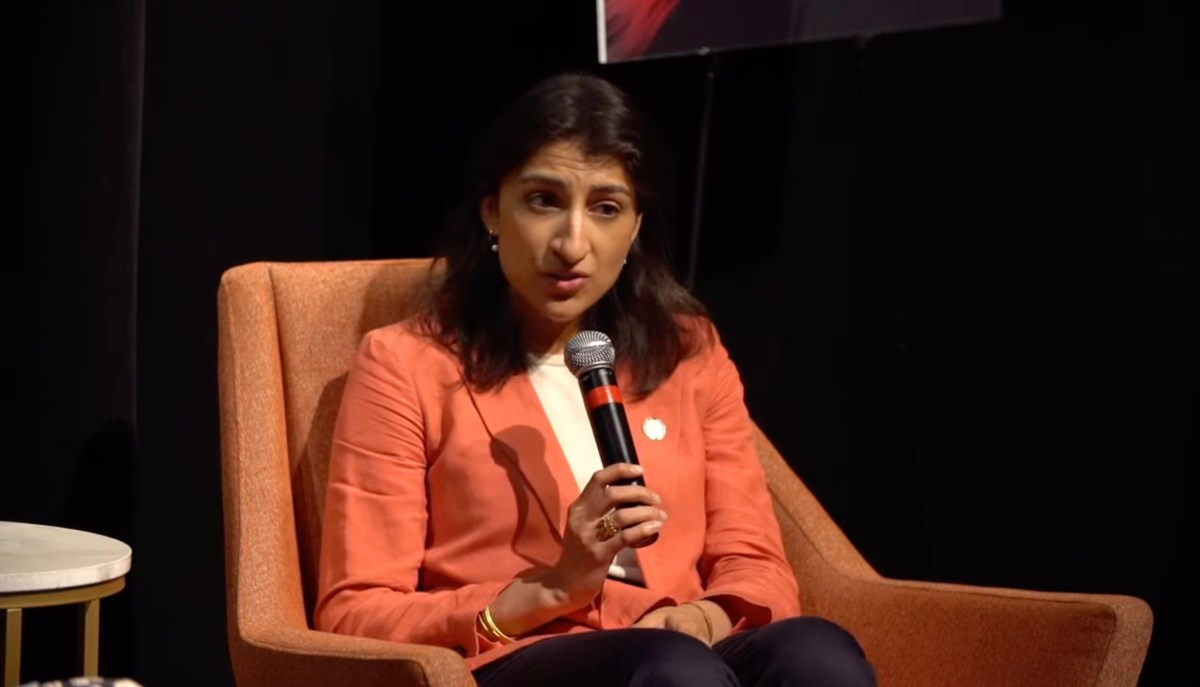
FTC to Scrutinize AI Technology Without Stifling Innovation, Chair Lina Khan Says
FTC Chair Lina Khan emphasizes the balance between AI innovation and regulatory oversight.
1–2 minutes

TOP STORIES

CERT-In reported that AI agents accessed sensitive data in Indian organizations during testing phases …

Flock’s gunshot detection technology faces backlash amid privacy concerns …

OpenAI has alerted the FBI after an employee allegedly planted a hidden recording device in an executive conference room …

Character.AI’s bankruptcy filing reveals the challenges of scaling AI products …

Meta’s new Muse Wonder models promise enhanced capabilities and memory retention for personal AI assistants …

Apple is tightening privacy controls on macOS to protect users from AI risks …



