
Generative AI is transforming the oil and gas industry by addressing operational challenges through advanced data management and predictive maintenance. Unlike traditional AI, which requires programming skills, generative AI is accessible to field employees and administrative staff via plain-language interfaces. At the CERAWeek conference, Chevron CEO Mike Wirth highlighted its significance in underground imaging and production planning. This technology processes vast amounts of drilling data, simplifying their use for major energy firms. Digital twins and predictive maintenance are key applications, allowing virtual replicas of refineries to solve operational issues and predict equipment wear and tear. According to Microsoft’s Matthew Kerner, generative AI aids technicians in real-time diagnostics by providing contextual information. It also plays a critical role in regulatory compliance and reducing the carbon footprint by optimizing equipment use and cutting emissions. Despite its benefits, the energy-intensive nature of generative AI poses environmental considerations. Additionally, it serves as a training tool for new industry workers, shortening training times and enhancing efficiency. Generative AI thus represents a significant advancement, offering improvements in efficiency, compliance, and sustainability, albeit with a need for mindful energy use.
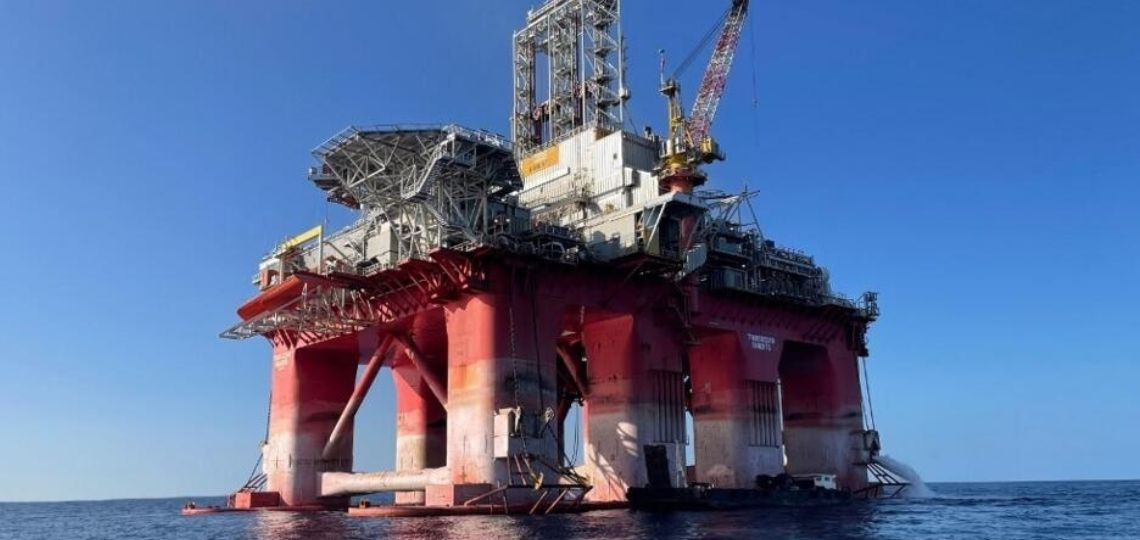
Generative AI Revolutionizes the Oil and Gas Industry
Generative AI is transforming oil and gas operations by enhancing efficiency, compliance, and sustainability.
1–2 minutes

TOP STORIES

Obama stresses Democrats must prioritize AI safety and economic strategy …

Amodei’s call for caution in AI development highlights the need for safety and alignment …

Sony Music and Warner Music have sued Anthropic, accusing it of copyright infringement in AI training …

Huang believes Nvidia’s position in AI will lead to another year of record growth …

Anthropic’s report reveals a surge in distillation attacks by Chinese AI firms on U.S. models …

AI agents’ autonomy poses significant risks, as demonstrated by a recent breach …



