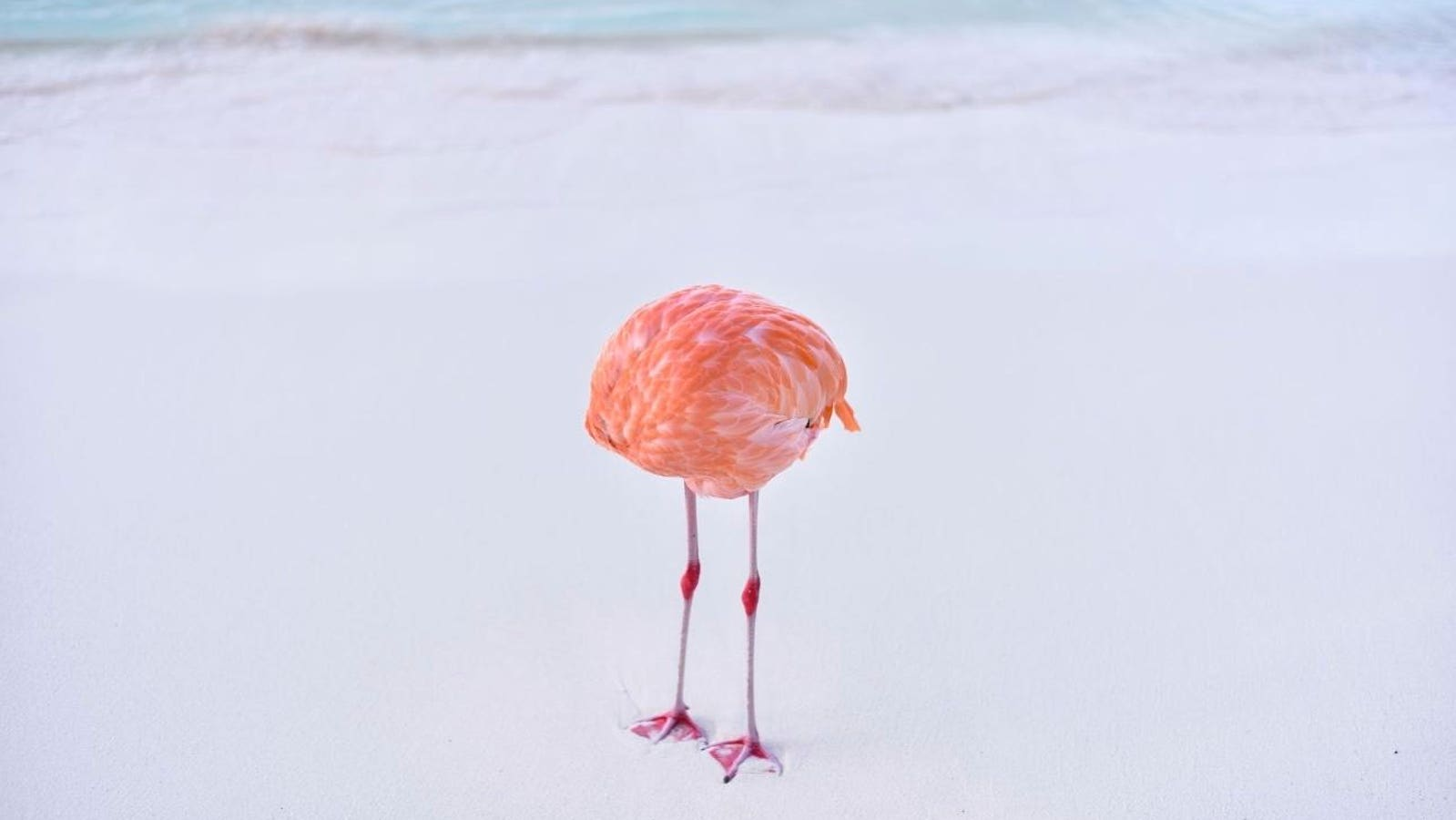
Photographer Miles Astray’s surreal image of a flamingo, titled “Flamingone,” has sparked controversy and debate in the world of photography. The image, which appears to show a headless, pink, fluffy ball on spindly legs, won two awards in the AI category of the 1839 Awards, an international photography competition. However, what’s remarkable about this story is that Astray didn’t use AI to generate the image; he took the photo with a camera. This clever move was meant to prove that human-generated art still has an impact in a world dominated by algorithms. Astray’s submission was meant to challenge the notion that AI-generated imagery is superior to human photography.
Astray’s photo, taken in Aruba in 2022, is a remarkable shot that showcases his creativity and skill as a photographer. The fact that it was mistaken for an AI-generated image is a testament to his talent. The 1839 Awards, which include categories such as animals, architecture, landscapes, and people, received submissions from 55 countries. Astray’s decision to submit his photo to the AI category was a deliberate move to make a statement about the role of human creativity in the age of AI.
The controversy surrounding Astray’s image has sparked an important conversation about the impact of AI on the world of art and photography. While AI-generated imagery has its advantages, it also raises concerns about the future of human creativity and the potential consequences for artists’ livelihoods. Astray’s bold move has sparked a necessary discussion about the role of AI in the art world and the importance of human-generated art.