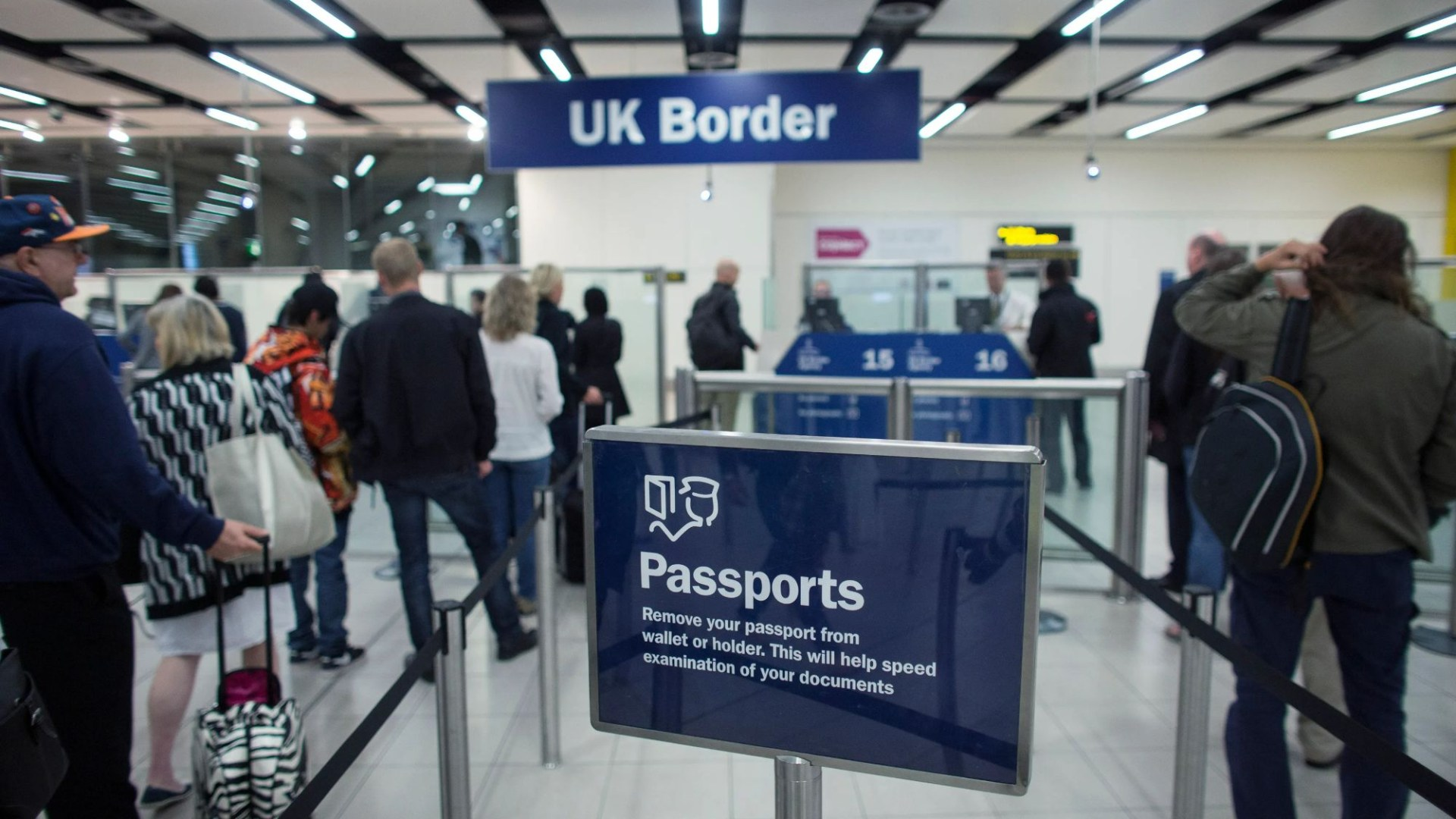
The European Union is planning to introduce artificial intelligence-powered “lie detector tests” at its borders, sparking concerns about discrimination against travelers with disabilities. The AI software, which has been successfully trialled, tracks passengers’ body and face movements as they fill out application forms, and alerts staff if it detects unusual behavior. While the technology aims to strengthen border security following Brexit, experts warn that it could unfairly target individuals with disabilities or anxious personalities. The system, which could be installed as early as October, is part of a broader effort to digitalize EU borders, including the introduction of the European Travel Information and Authorisation System (ETIAS) and the Entry-Exit System (EES). Critics argue that the technology is flawed and could lead to unnecessary delays and discrimination.
EU Travelers Face AI Lie Detector Tests
The AI software tracks passengers’ body and face movements as they fill out application forms, and alerts staff if it detects unusual behavior.

TOP STORIES

OpenAI’s price cuts for GPT-5.6 models aim to enhance AI accessibility amid rapid adoption …

The EU’s new AI regulations aim to create safer, more trustworthy technology for society …

Anthropic’s AI models breached security during testing, raising alarms …

New U.S. restrictions on Chinese robotics reflect growing national security concerns …

A letter signed by over 1,000 AI employees calls for U.S. support in developing tools to pace AI advancements …

Anthropic’s AI model Claude unintentionally breached systems, raising cybersecurity concerns …