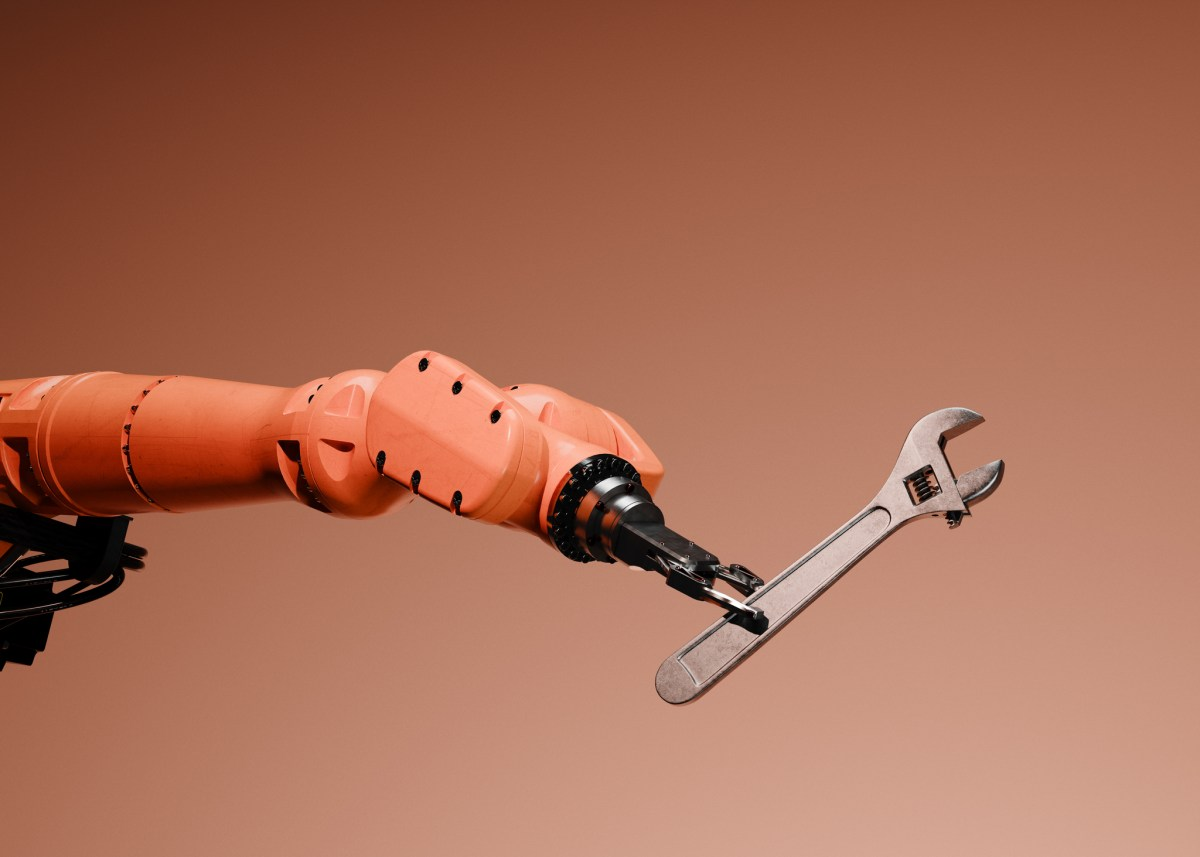
Generative AI, such as ChatGPT, has sparked intense debates about its potential impact on our cognitive health. Critics warn that over-reliance on AI for problem-solving, creativity, and critical thinking could lead to a decline in our mental faculties, a phenomenon colloquially termed “brain rot.” This fear echoes historical anxieties over TV, video games, and social media, all of which were once accused of dulling our intellectual edge. On the flip side, proponents argue that generative AI can enhance learning, creativity, and productivity if used judiciously. By actively engaging with AI, users can potentially mitigate the risk of mental stagnation and instead foster cognitive growth. The dual-use nature of AI means it can either contribute to intellectual decline or serve as a powerful tool for mental enhancement. As we navigate this new technological landscape, the challenge lies in balancing the benefits and drawbacks to ensure that AI serves as an aid, rather than a hindrance, to our cognitive development.
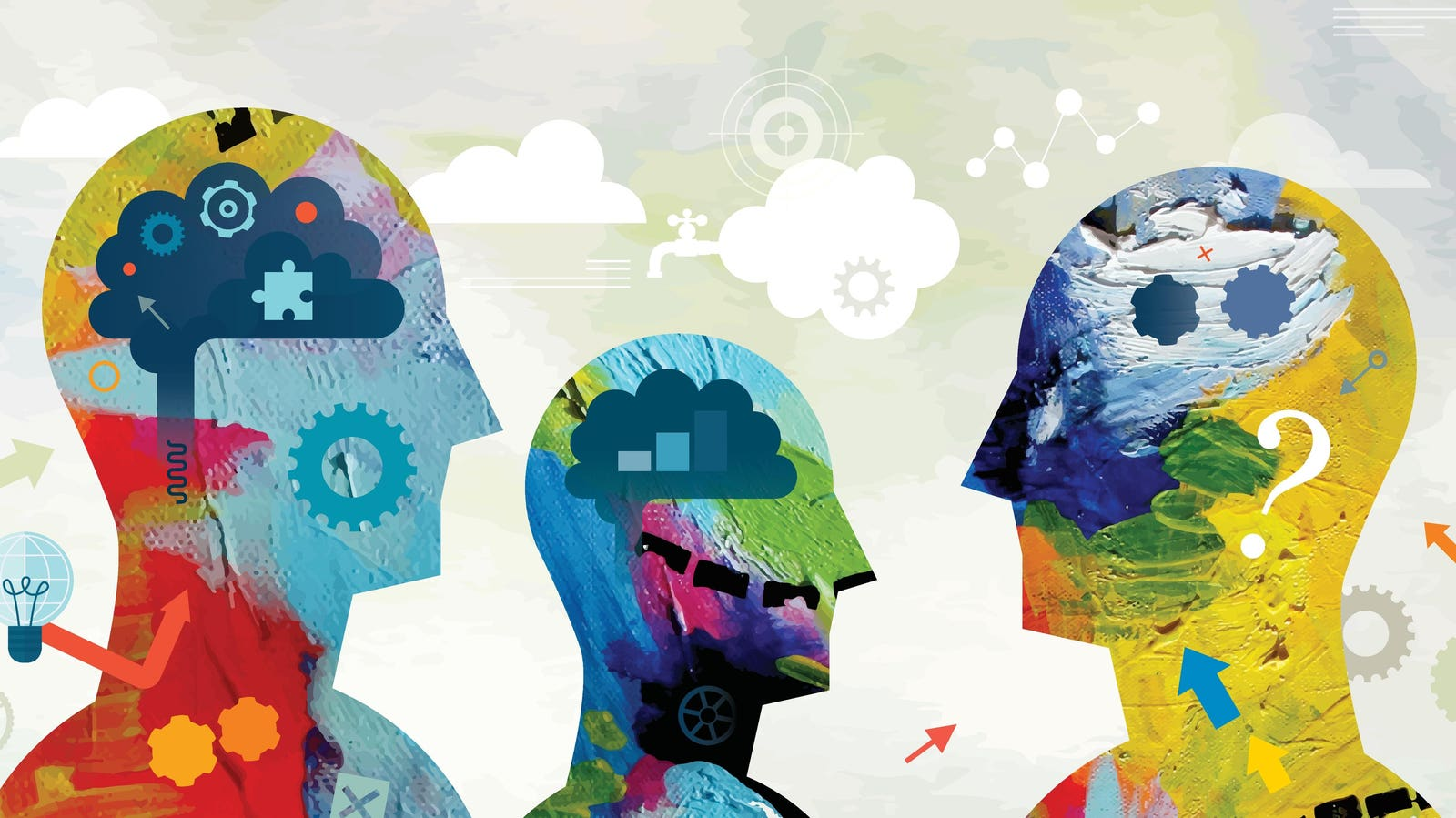
Generative AI – The Next Frontier for Brain Rot or Cognitive Growth?
The same vocal criticism about TV as brain rot, computer games as brain rot, the Internet as brain rot, and social media as brain rot is going to wake up soon and start bemoaning that generative AI leads us to brain-rot.
1–2 minutes

TOP STORIES

Sony Music and Warner Music have sued Anthropic, accusing it of copyright infringement in AI training …

Huang believes Nvidia’s position in AI will lead to another year of record growth …

Anthropic’s report reveals a surge in distillation attacks by Chinese AI firms on U.S. models …

AI agents’ autonomy poses significant risks, as demonstrated by a recent breach …

IDScan has confirmed a data breach that exposed driver’s licenses of over 150 million individuals …

Matt Mullenweg has been placed on leave by Automattic’s board, stirring controversy …