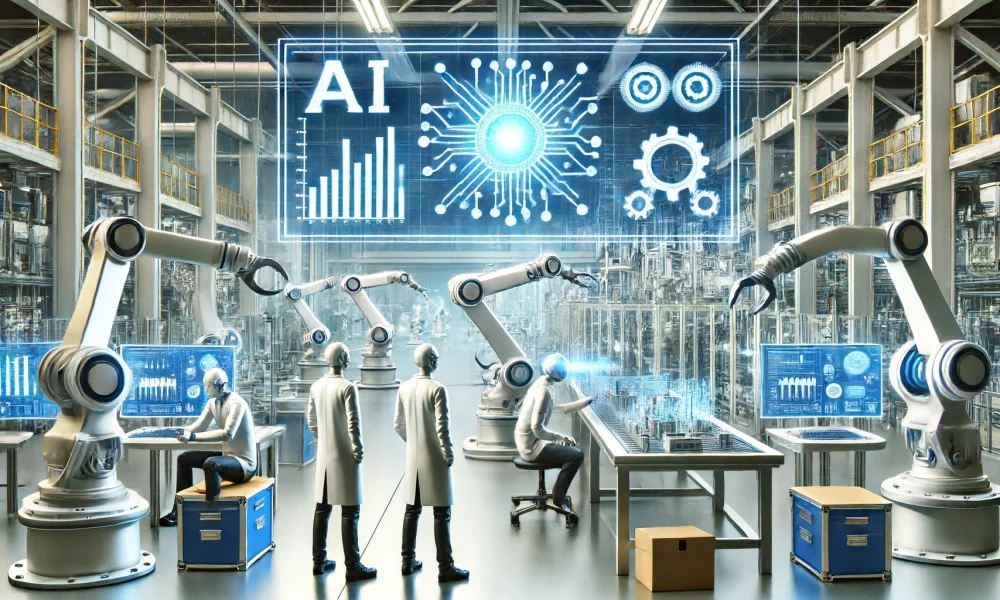
The integration of artificial intelligence (AI) in manufacturing is transforming the industry, enabling unprecedented efficiency and innovation. With AI, production lines adjust in real time, machinery predicts its own maintenance needs, and systems streamline every aspect of the supply chain. However, this transformation is not without its challenges, particularly the availability of high-quality data and the need for skilled talent.
Even with advanced AI models, inaccurate or incomplete data can lead to failure. Moreover, deploying and maintaining AI systems requires a workforce skilled in both manufacturing and AI technologies. Manufacturers who overcome these barriers can gain a substantial competitive edge, enjoying increased productivity, cost reductions, and enhanced innovation. Conversely, those who fail to address these challenges may struggle to remain competitive.
Data management is a significant challenge, with manufacturers facing issues with data quality, fragmentation, and security. Effective data preprocessing, including cleaning, standardization, feature engineering, and anomaly detection, is critical for AI applications. Furthermore, the shortage of skilled professionals in AI, machine learning, and data science hinders AI implementation. Manufacturers must invest in upskilling their workforce, collaborate with academic institutions, and benefit from external expertise to overcome this talent gap. Real-world examples from companies like General Electric, Bosch, and Siemens demonstrate the transformative power of AI in manufacturing, highlighting the importance of embracing AI technology to drive productivity and operational excellence.