
The use of deepfakes, AI-generated audio, video, or images designed to mislead, poses a significant threat to the integrity of US elections. Despite warnings from experts, federal action remains stalled, leaving individual states to fill the void. At least 20 states have passed regulations against election deepfakes, but the lack of federal legislation means that bad actors can still exploit vulnerabilities in the system. The spread of disinformation is not the only concern; deepfakes can also erode public trust in the electoral process, making it easier for political figures to dismiss legitimate information. While some argue that existing laws can be applied to curtail deepfakes, others believe that new legislation is necessary to address the rapidly evolving threat. As the 2020 presidential election approaches, it is crucial for voters to educate themselves about the risks of deepfakes and to be vigilant in verifying the accuracy of the information they consume.
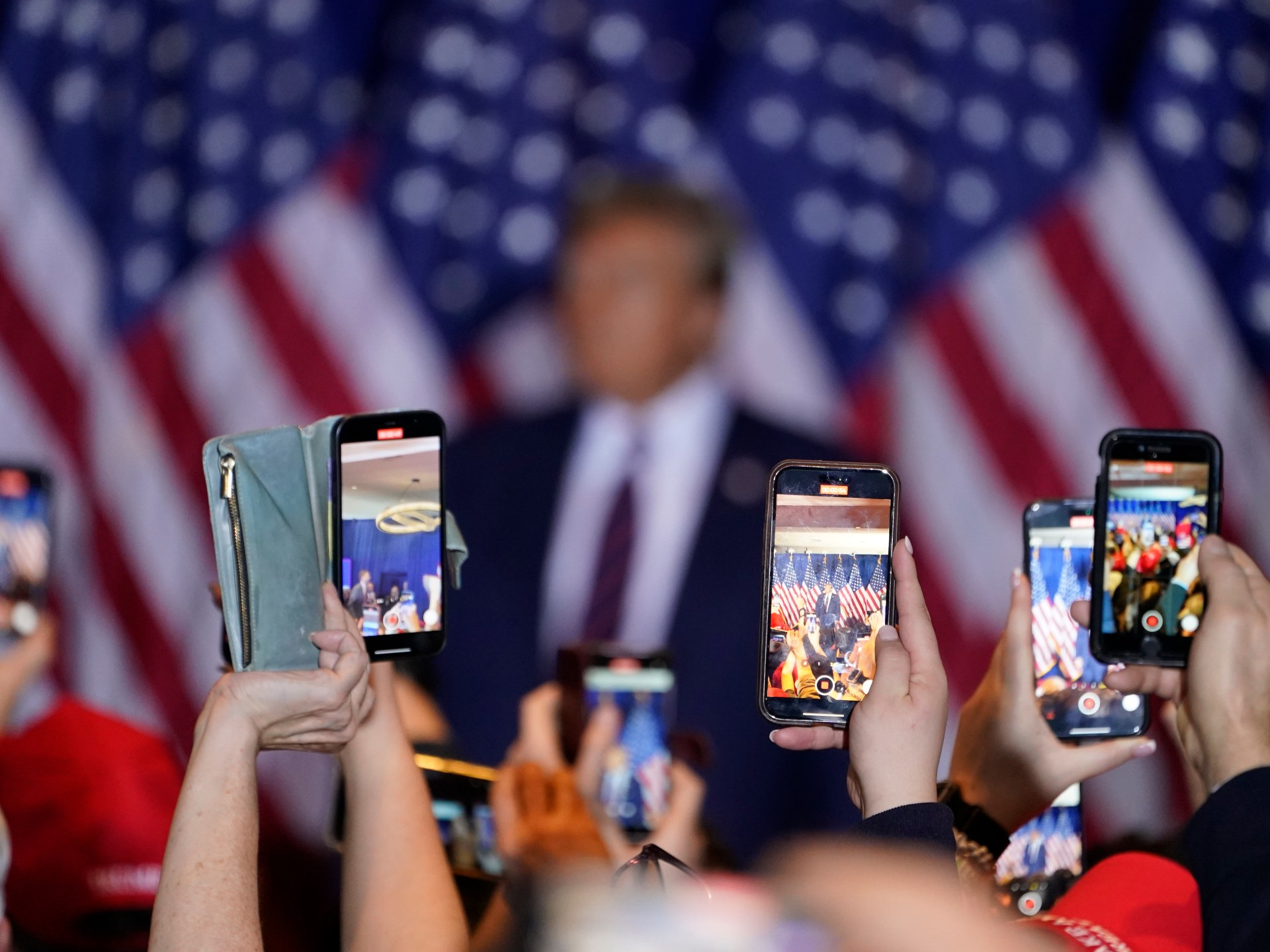
Deepfake Deception – The Hidden Threat to US Elections
By mid-2024, daily AI attacks would escalate, posing a threat to the November general election.
1–2 minutes

TOP STORIES

Obama stresses Democrats must prioritize AI safety and economic strategy …

Amodei’s call for caution in AI development highlights the need for safety and alignment …

Sony Music and Warner Music have sued Anthropic, accusing it of copyright infringement in AI training …

Huang believes Nvidia’s position in AI will lead to another year of record growth …

Anthropic’s report reveals a surge in distillation attacks by Chinese AI firms on U.S. models …

AI agents’ autonomy poses significant risks, as demonstrated by a recent breach …



