
The creative and design fields are among the most susceptible to massive disruptions due to artificial intelligence. As generative AI tools continue to emerge, companies like Canva, Adobe, and Figma are working to enhance the productivity of creativity, making it easier and cheaper to design more assets. However, friction remains, with creative professionals struggling to integrate these tools into their workflows. To address this, design software companies are focusing on seamless integration of AI tools across their product portfolios. Canva, for instance, has added AI-enabled features, including text-generation tools and a text-to-image tool, to ensure a cohesive design process. Meanwhile, Adobe emphasizes the importance of keeping humans in the loop when designing creative assets, ensuring that AI tools are used as production assistants rather than creative replacements. As AI continues to evolve, it’s crucial to democratize the creative process, making it more accessible and collaborative, while also acknowledging the potential risks and biases associated with AI-generated content.
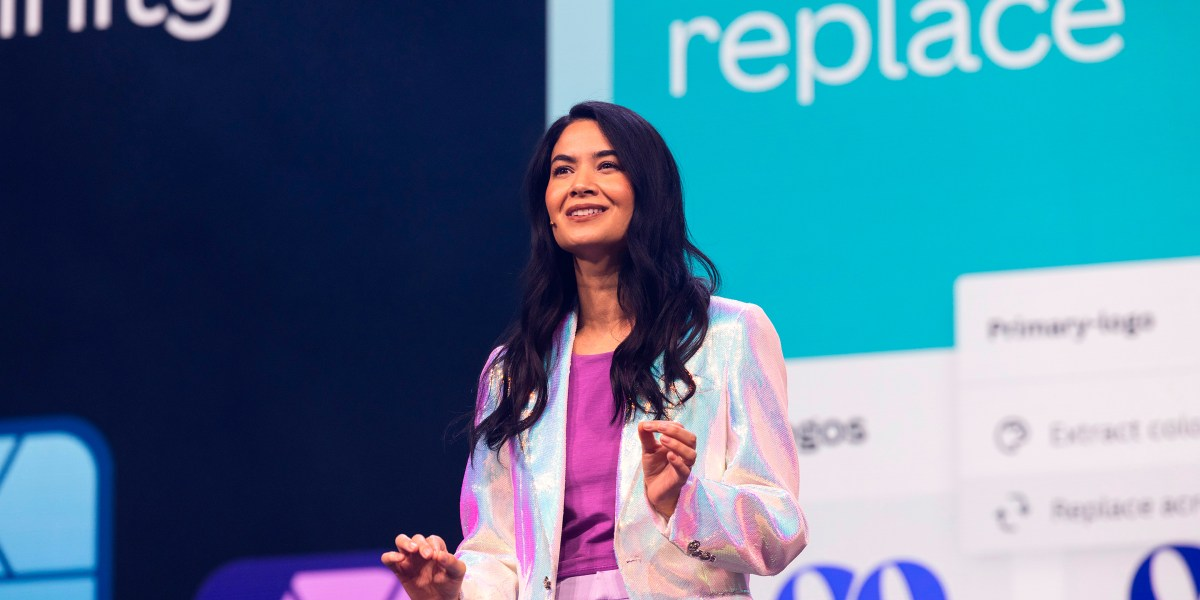
AI Redesigns Creative Process
“We want to bring more people into the space who haven’t designed before, who I think can see a lot of value from learning how to communicate visually.”
1–2 minutes

TOP STORIES

Obama stresses Democrats must prioritize AI safety and economic strategy …

Amodei’s call for caution in AI development highlights the need for safety and alignment …

Sony Music and Warner Music have sued Anthropic, accusing it of copyright infringement in AI training …

Huang believes Nvidia’s position in AI will lead to another year of record growth …

Anthropic’s report reveals a surge in distillation attacks by Chinese AI firms on U.S. models …

AI agents’ autonomy poses significant risks, as demonstrated by a recent breach …



