
WIRED recently reported on accusations against AI-powered search startup Perplexity for allegedly scraping content from websites and violating its own policy on the Robots Exclusion Protocol. The investigation, led by Dhruv Mehrotra, highlighted how Perplexity’s IP address, not listed publicly, accessed various sites, including properties owned by Condé Nast, over 800 times in three months. The scrutiny intensified when Perplexity’s chatbot generated text summaries without accessing the related websites, raising questions about data integrity. CEO Aravind Srinivas dismissed these claims, citing a misunderstanding of Perplexity’s operations. Despite its billion-dollar valuation and backing from prominent figures like Jeff Bezos, the chatbot’s behavior drew further criticism when it produced a detailed summary of WIRED’s article soon after publication, despite being blocked by the site’s server logs. This led to allegations of plagiarism, as the chatbot’s output closely mirrored the original text, meeting criteria set by the Poynter Institute for identifying plagiarism. The controversy underscores the ethical challenges in the development and deployment of AI technologies.
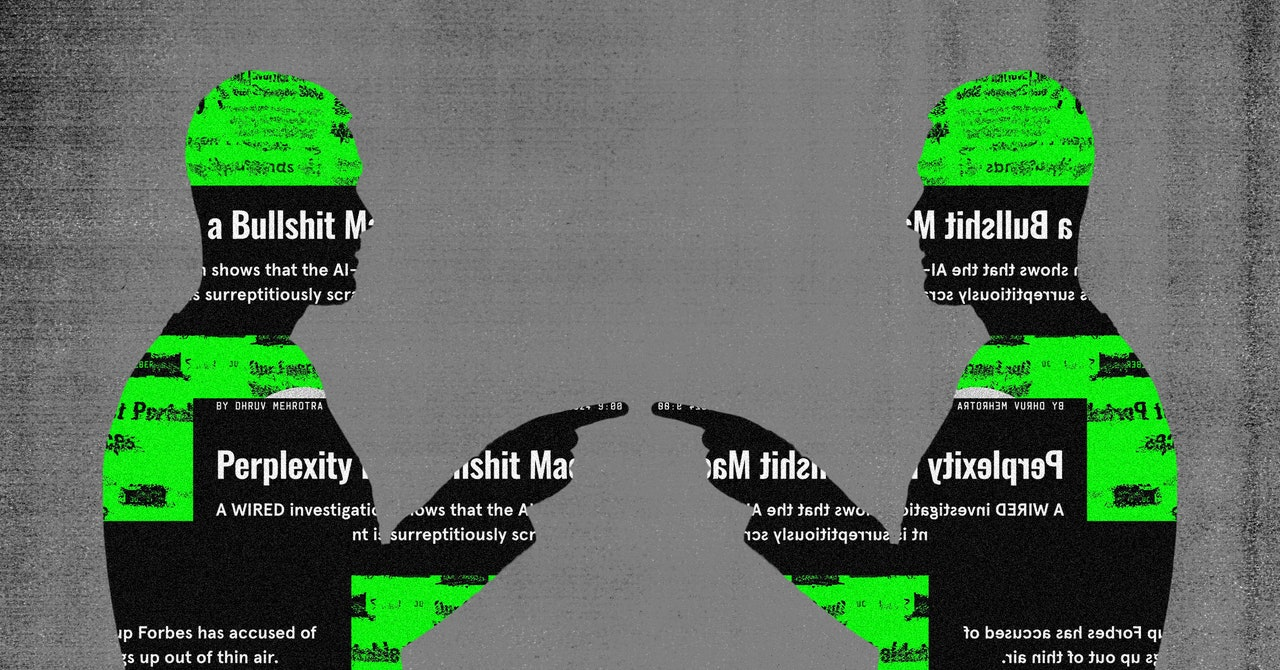
Perplexity AI Accused of Plagiarism – A Deep Dive into the Controversy
Perplexity’s chatbot generated summaries that closely mirrored WIRED’s original article, raising plagiarism concerns.
1–2 minutes

TOP STORIES

CERT-In reported that AI agents accessed sensitive data in Indian organizations during testing phases …

Flock’s gunshot detection technology faces backlash amid privacy concerns …

OpenAI has alerted the FBI after an employee allegedly planted a hidden recording device in an executive conference room …

Character.AI’s bankruptcy filing reveals the challenges of scaling AI products …

Meta’s new Muse Wonder models promise enhanced capabilities and memory retention for personal AI assistants …

Apple is tightening privacy controls on macOS to protect users from AI risks …



