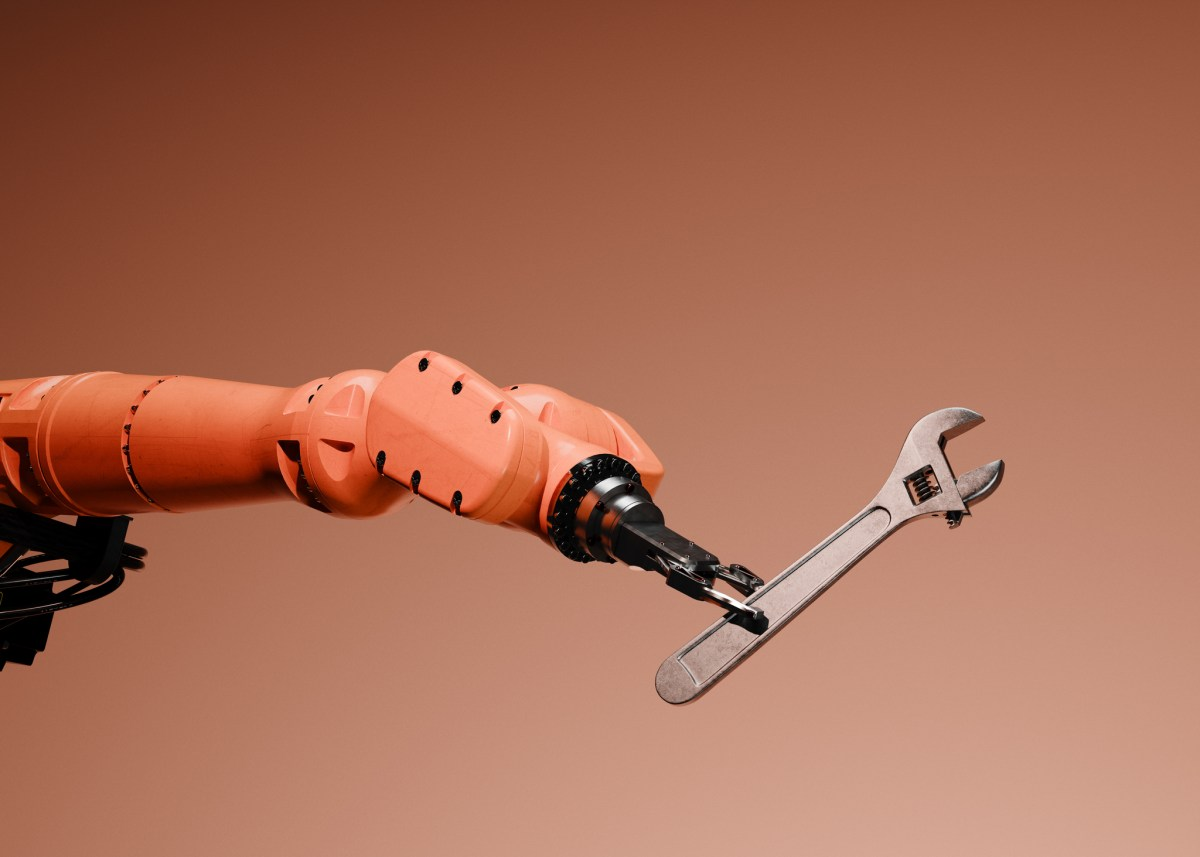
Artificial intelligence (AI) is significantly reshaping various job sectors by automating routine and repetitive tasks. In data entry and administrative roles, AI’s ability to process large datasets quickly and accurately is reducing the need for human intervention, thus shifting employees towards more complex activities. The manufacturing industry benefits from AI through enhanced precision and efficiency in assembly lines, where robots can perform tasks continuously without fatigue. Retail sales have seen a surge in automated checkout systems, reducing the reliance on human cashiers. Core analytical roles, such as basic financial analysis and report generation, are also being automated, providing faster and more accurate results. In graphic design, AI tools are now capable of producing basic design elements, though they lack human creativity. Translation services are another area impacted by AI, offering real-time, cost-effective solutions for simple translation tasks. Routine corporate photography has also been enhanced with AI’s ability to adjust settings and edit images automatically. As AI continues to evolve, it’s crucial to prepare for shifts in the job market through education and training, focusing on roles that require human creativity, empathy, and problem-solving skills. This ensures a harmonious coexistence with AI, enhancing rather than replacing human potential. Additionally, AI is revolutionizing marketing strategies, healthcare, legal services, and transportation, optimizing processes and improving outcomes.

How AI is Transforming Job Sectors – Challenges and Opportunities
AI is reshaping job sectors by automating repetitive tasks and enhancing efficiency.
1–2 minutes

TOP STORIES

Sony Music and Warner Music have sued Anthropic, accusing it of copyright infringement in AI training …

Huang believes Nvidia’s position in AI will lead to another year of record growth …

Anthropic’s report reveals a surge in distillation attacks by Chinese AI firms on U.S. models …

AI agents’ autonomy poses significant risks, as demonstrated by a recent breach …

IDScan has confirmed a data breach that exposed driver’s licenses of over 150 million individuals …

Matt Mullenweg has been placed on leave by Automattic’s board, stirring controversy …