Cancer is one of the leading causes of death worldwide, with the World Health Organization projecting a 77% increase in new cases by 2050. Early detection is key to improving treatment outcomes, and artificial intelligence (AI) could be a game-changer in this regard. A recent study by UK-based researchers has shown that AI can detect 13 types of cancer, including breast, liver, lung, and prostate cancer, with an accuracy of 98.2%. The technology is trained to examine DNA methylation patterns and identify unusual patterns that can indicate cancer. While the model is still in its early stages and requires further research and testing, it has the potential to revolutionize cancer screening and detection. This is not the first time AI has been explored as a tool in cancer treatment, with previous studies demonstrating its ability to detect cancers of unknown origin, pancreatic cancer, and breast cancer. AI is not intended to replace healthcare professionals, but rather to support them in providing earlier and more accurate diagnoses, leading to better patient outcomes.
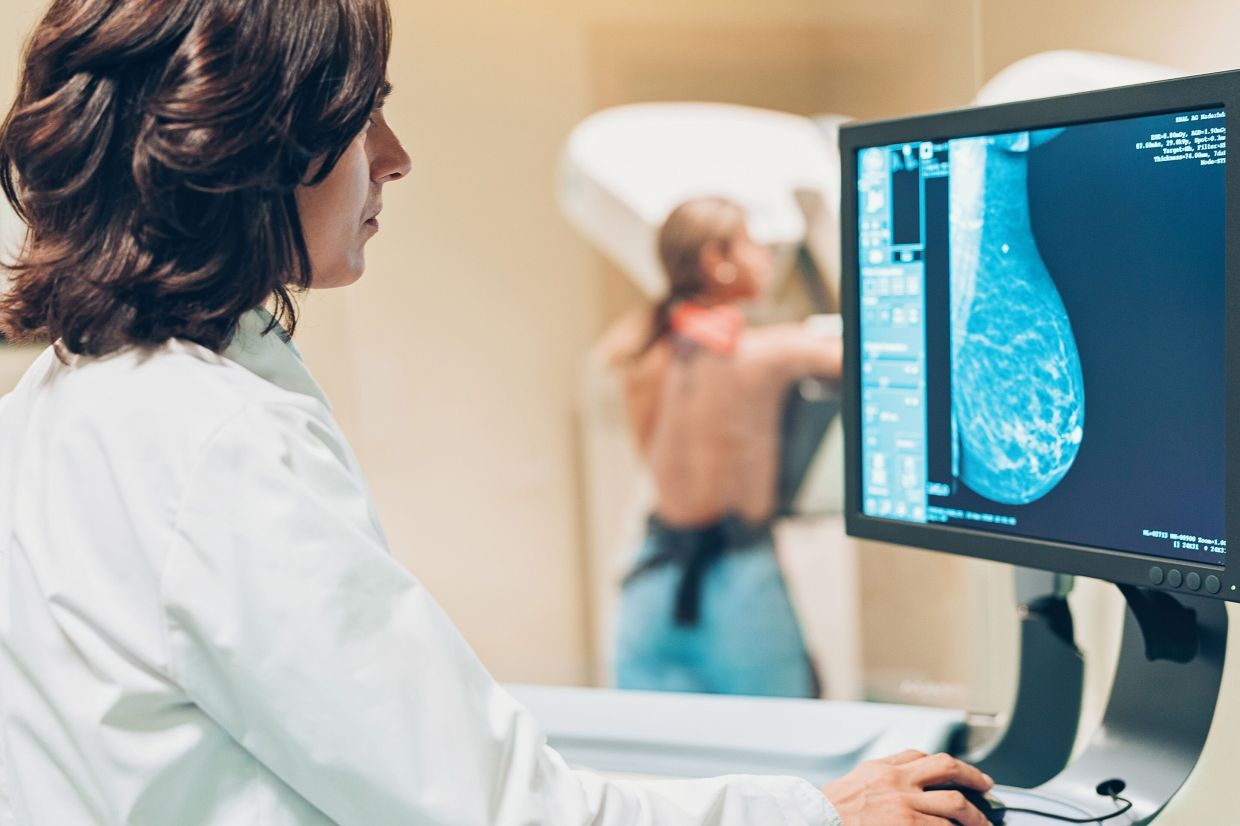
AI Boosts Cancer Detection
Computational methods such as this model, through better training on more varied data and rigorous testing in the clinic, will eventually provide AI models that can help doctors with early detection and screening of cancers.
1–2 minutes

TOP STORIES

Quantum computing is transforming industries, but it poses significant cybersecurity risks …

A coalition of state attorneys general has opened an investigation into OpenAI …

The U.S. government’s export control directive has forced Anthropic to disable its new AI models, raising questions about regulation and …

SpaceX’s recent deal with Google highlights its shift from aerospace to AI infrastructure …

Google is suing to dismantle the infrastructure behind an alleged massive AI-powered cybercrime operation …

AI usage continues to grow rapidly, even as public sentiment remains skeptical …