
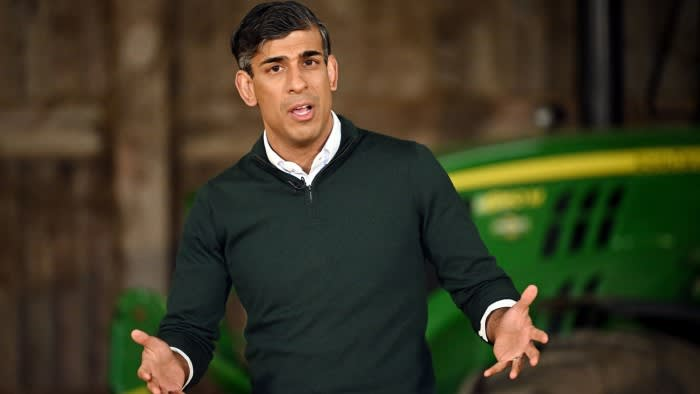
The first-ever study by Google’s DeepMind division into the malicious uses of artificial intelligence has revealed a disturbing trend: deepfakes, AI-generated impersonations of politicians and celebrities, are far more prevalent than efforts to use AI to assist cyber attacks. The study found that the creation of realistic but fake images, video, and audio of people was almost twice as common as the next highest misuse of generative AI tools, which is the falsifying of information using text-based tools to generate misinformation. The most common goal of actors misusing generative AI was to shape or influence public opinion, which is a major concern as deepfakes have the potential to sway voters in elections. The study’s findings are especially pertinent given the upcoming general election in the UK, where deepfakes of UK Prime Minister Rishi Sunak have appeared on social media platforms.
The study’s lead author, Nahema Marchal, noted that while there has been concern around sophisticated cyber attacks facilitated by AI tools, the study found that most incidents of misuse involved fairly common misuses of generative AI that might go under the radar. The research also found that most incidents use easily accessible tools, requiring minimal technical expertise, which means that more bad actors can misuse generative AI. This study is a wake-up call for AI companies to monitor the flood of misinformation and other potentially harmful or unethical content created by their tools.





