
London-based Synthesia has announced a significant update to its platform, Synthesia 2.0, aimed at enhancing enterprise video-first communication strategies. The update introduces several key features, such as full-body avatars capable of various motions and interactive video elements that engage users with clickable hotspots like calendars and forms. Additionally, a new AI screen recorder simplifies the creation of how-to videos and other content. While some features will roll out next month, others will be introduced over the coming months. Synthesia aims to make digital avatars more realistic and expressive, capturing a wide range of human body language and emotions. This update also allows users to create personal avatars with better lip-sync and natural voices using webcams or mobile cameras. More than 55,000 businesses, including Zoom and Heineken, already use Synthesia, and the new features may further boost its adoption. The update also includes brand kits, bulk content generation, and improved collaboration capabilities, making Synthesia a robust tool for corporate communication.
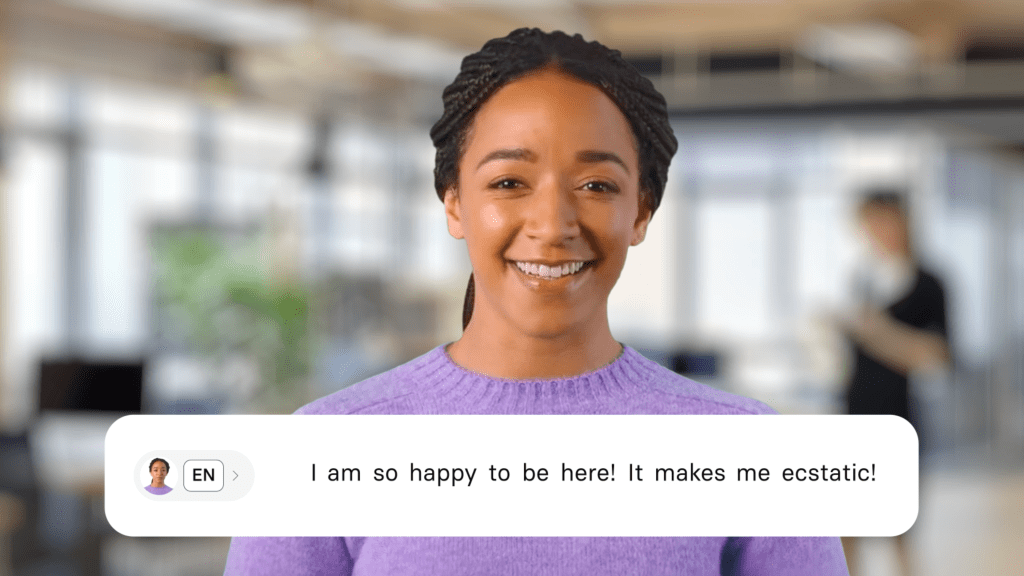
Synthesia 2.0 – Revolutionizing AI Video Creation for Enterprises
Synthesia 2.0 introduces advanced AI avatars and interactive video elements to enhance enterprise communication.
1–2 minutes

TOP STORIES

CERT-In reported that AI agents accessed sensitive data in Indian organizations during testing phases …

Flock’s gunshot detection technology faces backlash amid privacy concerns …

OpenAI has alerted the FBI after an employee allegedly planted a hidden recording device in an executive conference room …

Character.AI’s bankruptcy filing reveals the challenges of scaling AI products …

Meta’s new Muse Wonder models promise enhanced capabilities and memory retention for personal AI assistants …

Apple is tightening privacy controls on macOS to protect users from AI risks …



