The concept of the singularity, where artificial intelligence (AI) surpasses human intelligence, has sparked intense debate. Popularized by Vernor Vinge in the 1990s, the theory suggests that self-learning machines will eventually outsmart humans. Proponents argue that AI’s exponential growth could lead to unpredictable and potentially dangerous consequences, while optimists believe it may solve global issues like climate change and diseases. Futurist Ray Kurzweil predicts the singularity could occur between 2029 and 2045, whereas skeptics like Rodney Brooks and Steve Pinker doubt it will ever happen. Despite recent AI advancements, such as generative AI tools like ChatGPT, current AI remains narrow and lacks the general intelligence needed for true singularity. Overcoming technical challenges like computational resources and data efficiency is essential. Preparing for the singularity involves ensuring AI aligns with human values, mitigating societal harm, and maintaining transparency and accountability in AI development.
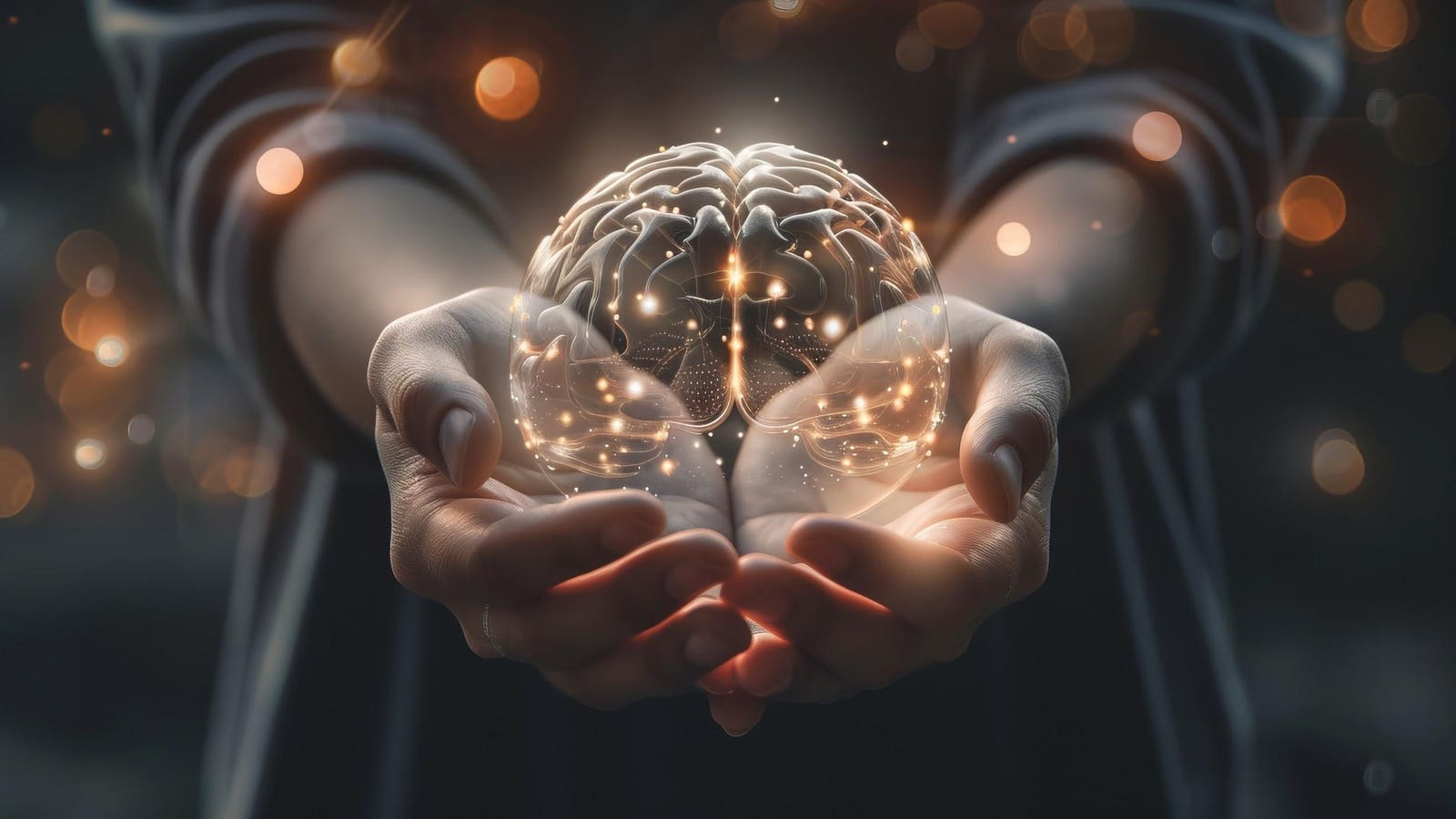
AI Hype Or Reality – Is the Singularity Near?
The concept of the singularity, where AI surpasses human intelligence, has sparked intense debate.
1–2 minutes

TOP STORIES

Sony Music and Warner Music have sued Anthropic, accusing it of copyright infringement in AI training …

Huang believes Nvidia’s position in AI will lead to another year of record growth …

Anthropic’s report reveals a surge in distillation attacks by Chinese AI firms on U.S. models …

AI agents’ autonomy poses significant risks, as demonstrated by a recent breach …

IDScan has confirmed a data breach that exposed driver’s licenses of over 150 million individuals …

Matt Mullenweg has been placed on leave by Automattic’s board, stirring controversy …