
Toys “R” Us recently faced significant backlash after releasing an ad created using OpenAI’s new video generation tool, Sora. While Sora is not yet publicly available, many AI enthusiasts have been experimenting with various video generators to create surreal clips. The Toys “R” Us ad, intended to showcase the brand’s founder, Charles Lazarus, was met with criticism for its unsettling and inconsistent AI-generated imagery. Critics noted numerous errors in the footage, such as distorted toys and inconsistent character models, which detracted from the nostalgic and imaginative message the ad aimed to convey. This controversy highlights the current limitations and ethical concerns surrounding generative AI, particularly its impact on human creative expression. Many argue that using AI for creative content, especially targeted at children, undermines the value of human artistry. Despite the criticism, Toys “R” Us defended the ad as an innovative tribute to their founder. The broader debate continues as generative AI technology advances, raising questions about its role in creative industries and its potential consequences.
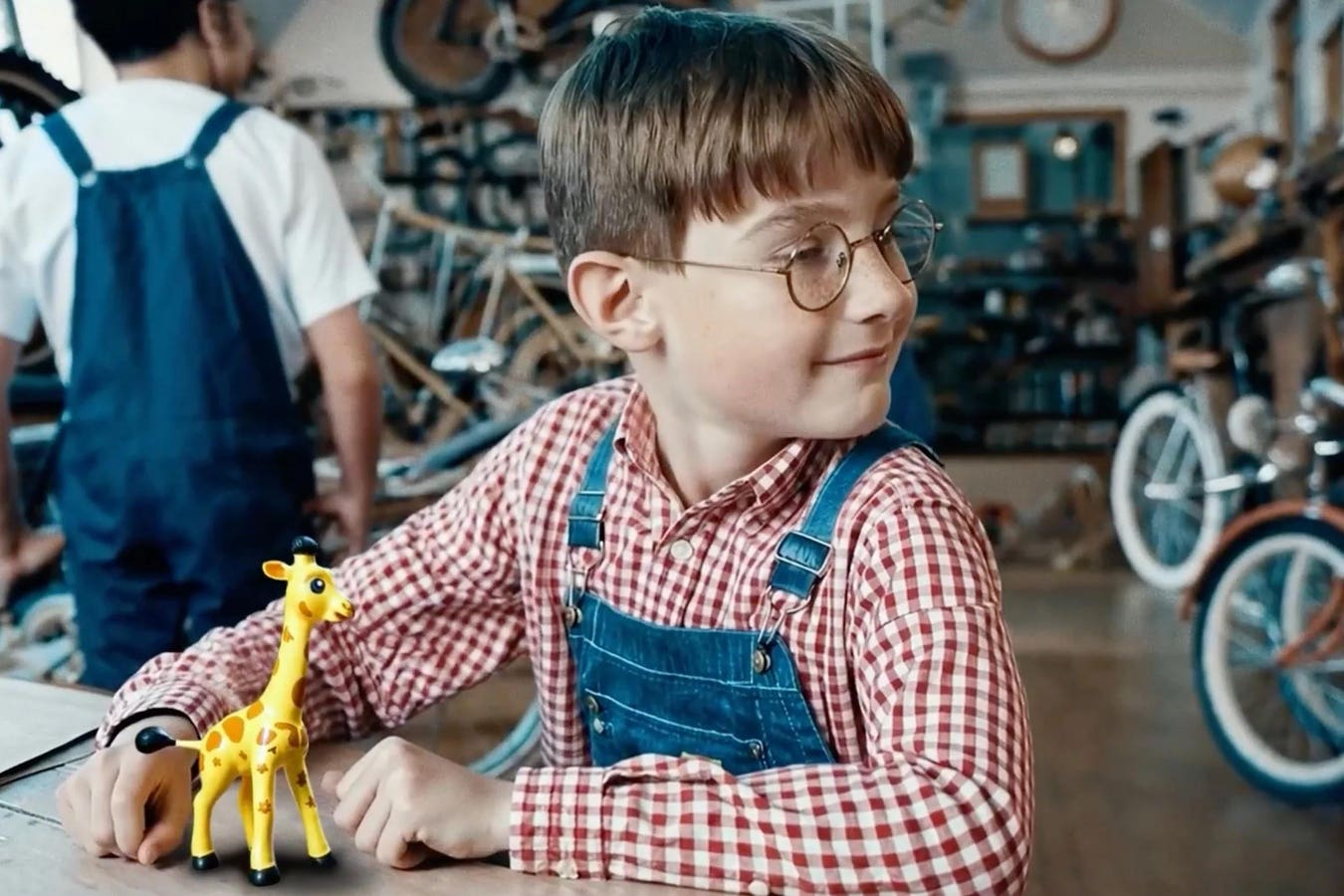
The Uncanny Valley – Toys “R” Us Faces Backlash Over AI-Generated Ad
Critics argue that AI-generated ads undermine the value of human artistry.
1–2 minutes

TOP STORIES

CERT-In reported that AI agents accessed sensitive data in Indian organizations during testing phases …

Flock’s gunshot detection technology faces backlash amid privacy concerns …

OpenAI has alerted the FBI after an employee allegedly planted a hidden recording device in an executive conference room …

Character.AI’s bankruptcy filing reveals the challenges of scaling AI products …

Meta’s new Muse Wonder models promise enhanced capabilities and memory retention for personal AI assistants …

Apple is tightening privacy controls on macOS to protect users from AI risks …



