News publishers are increasingly signing deals with AI companies like OpenAI, despite ongoing legal disputes and initial skepticism. These deals often involve licensing news content for AI model training, with promises of citation and backlinks to the original publishers. Notably, OpenAI is reportedly paying between $1 million to $5 million annually to license content, with News Corp securing a substantial $250 million deal over five years. Apple is also exploring similar agreements, though none have been publicly confirmed. While some publishers, like Reach, are urging industry-wide solidarity and caution against rushing into agreements, others, including Time, Vox Media, and The Atlantic, have already inked partnerships, leveraging AI technology to enhance their products and expand their reach.
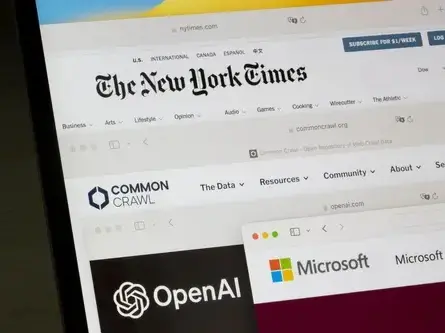
Legal actions are escalating, with entities like Alden Global Capital’s newspapers and progressive outlets like The Intercept and Raw Story suing AI companies for unauthorized use of their content. The New York Times has also taken a high-profile legal stance against OpenAI and Microsoft, demanding compensation and the destruction of AI models trained on its content. These lawsuits hinge on the interpretation of “fair use” in copyright law.
Despite the legal turbulence, various publishers see potential benefits in these partnerships, aiming to innovate and adapt to the evolving digital landscape while ensuring their content is properly attributed and monetized. The deals signify a crucial intersection between traditional journalism and cutting-edge technology, highlighting the need for balanced frameworks that protect intellectual property while fostering technological advancement.