
The era of generative AI has arrived, marked by neural networks capable of generating new data, creating content, and making informed decisions based on extensive training datasets. Different companies are exploring varied approaches to generative AI interfaces, which range from text-based chatbots to advanced tools with multiple interactive elements. This diversity underscores that there is no “one size fits all” paradigm for AI user interfaces. The choice of interface depends heavily on the application and the user’s needs. At the upcoming VB Transform 2024 conference in San Francisco, from July 9-11, 2024, leaders from various sectors including OpenAI, Microsoft, and Capital One, among others, will discuss the future of AI. The conference will cover how to create impactful and user-friendly generative AI applications, emphasizing the importance of considering specific use cases, user bases, and the types of interactions users will have with AI models. The event promises to be a crucial meeting point for those looking to integrate AI applications into their industries.
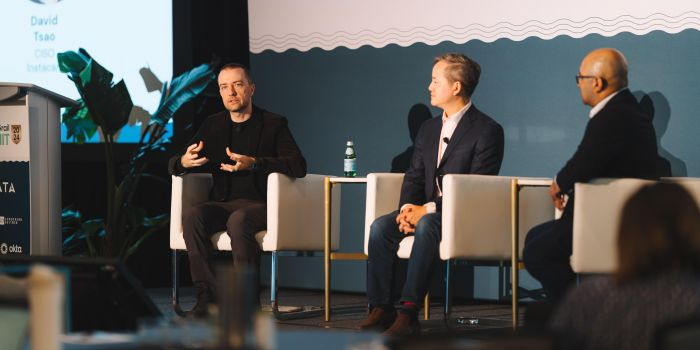
VentureBeat Transform 2024 – Navigating the Future of Generative AI
VentureBeat Transform 2024 will explore diverse generative AI interfaces and their future.
1–2 minutes

TOP STORIES

Obama stresses Democrats must prioritize AI safety and economic strategy …

Amodei’s call for caution in AI development highlights the need for safety and alignment …

Sony Music and Warner Music have sued Anthropic, accusing it of copyright infringement in AI training …

Huang believes Nvidia’s position in AI will lead to another year of record growth …

Anthropic’s report reveals a surge in distillation attacks by Chinese AI firms on U.S. models …

AI agents’ autonomy poses significant risks, as demonstrated by a recent breach …



