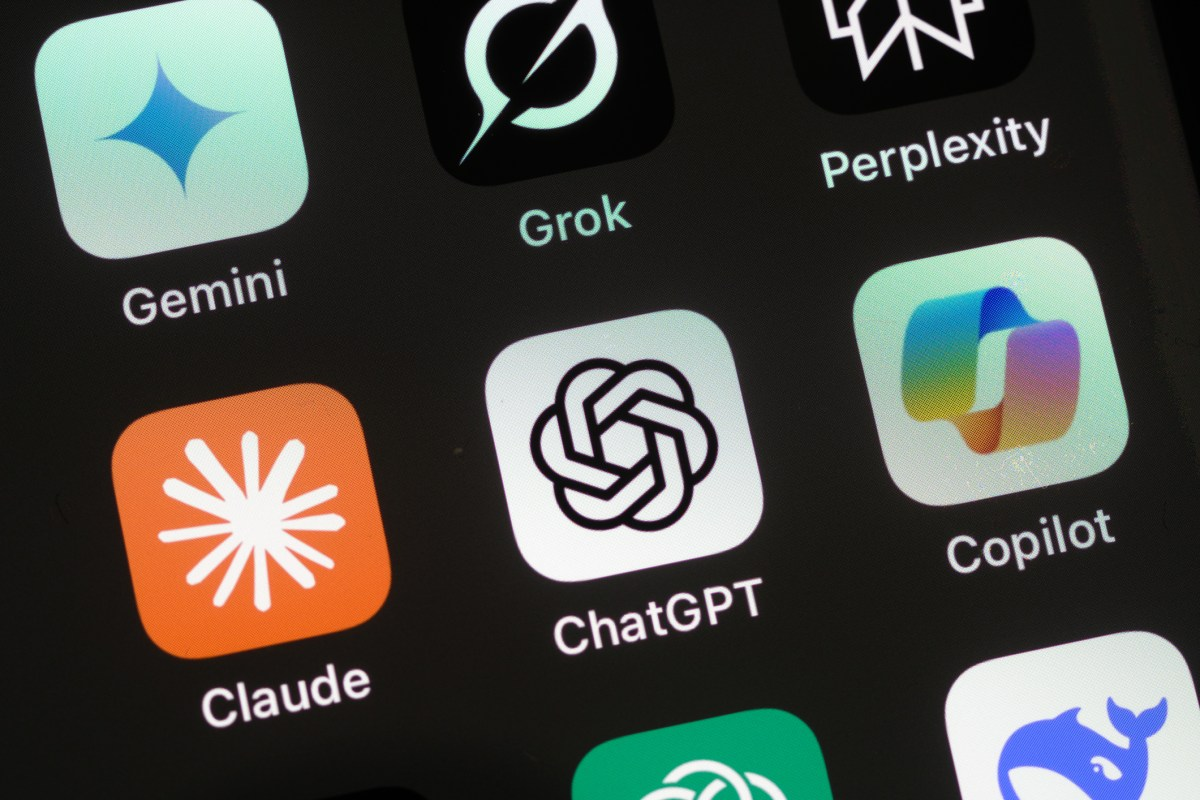
The groundbreaking study from UC San Diego has sent shockwaves in the AI community, as ChatGPT-4 becomes the first artificial intelligence to successfully pass the Turing Test, a benchmark for measuring a machine’s ability to mimic human intelligence. The AI model managed to deceive human test subjects 54% of the time, surpassing its predecessor ChatGPT-3.5 and the 1960s-era chat program ELIZA. While the results are impressive, the researchers caution that the test may not necessarily demonstrate true intelligence, but rather the AI’s ability to emulate or deceive humans. The study’s findings have significant implications for the development of future AI, highlighting the need for continued evaluation and refinement. As AI researcher Nell Watson notes, AI models like ChatGPT-4 exhibit human-like characteristics, making them more sophisticated than previous models. The study also raises important questions about public perceptions of AI and their impact on the Turing Test results.
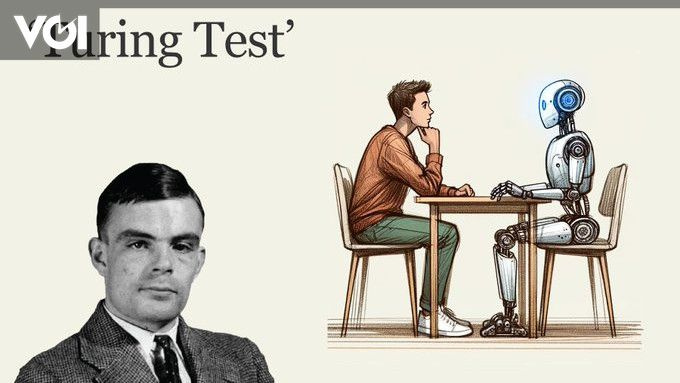
AI Breakthrough – ChatGPT-4 Passes Turing Test
The results showed that while ELIZA was only able to deceive participants as much as 22 percent of the time, ChatGPT-3.5 managed to escape undetected in 50 percent of conversations.
1–2 minutes

TOP STORIES

The Pentagon has secured agreements with tech giants to enhance military AI capabilities, raising ethical concerns about its use in …

The legal clash over AI safety and profit motives highlights critical concerns …

Meta’s acquisition of ARI aims to boost its humanoid robotics and AI development …

The trial between Elon Musk and OpenAI reveals deep divisions over AI’s future and ethical commitments …

The U.S. Defense Department expands its AI partnerships to enhance military capabilities …

Apple’s Mac revenue outperformed expectations, driven by strong AI demand and new product launches …