
The integration of artificial intelligence in medical care is showing significant promise, with recent studies demonstrating its potential to improve patient outcomes and assist physicians in making informed decisions. At Mount Sinai Health System, AI was used to monitor patients in “step-down” units, resulting in a 43% increase in patients receiving timely medication and a lower mortality rate compared to traditional methods. Additionally, chatbots like ChatGPT-3.5 and ChatGPT-4 have been found to provide accurate and relevant answers to specialized medical questions, with the potential to keep physicians up-to-date with the latest medical research. While AI is not yet ready to replace human physicians, it can certainly augment their abilities, providing 24/7 support and access to vast amounts of medical data. As the technology continues to evolve, it’s likely that AI will become an indispensable tool in the healthcare industry.
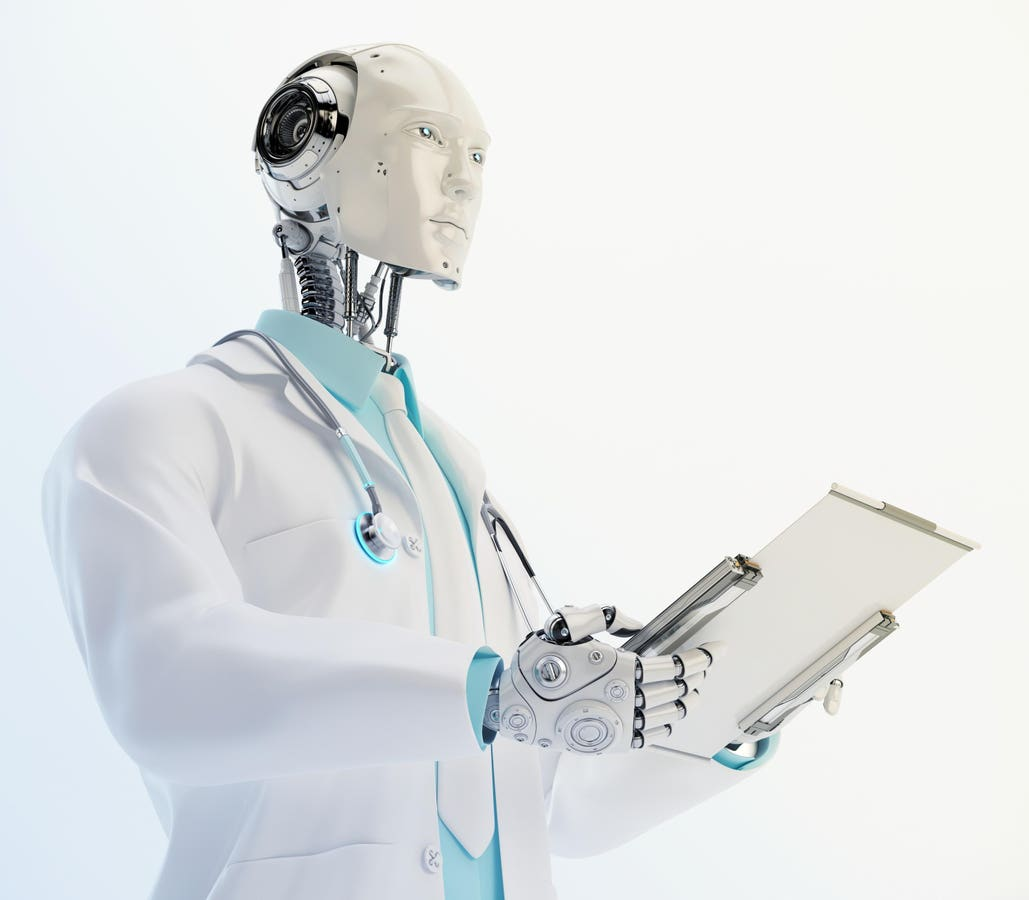
AI in Medicine – A Promising Future in Healthcare
AI systems won’t be limited by the need to sleep, eat, or tend to their personal lives.
1–2 minutes

TOP STORIES

Obama stresses Democrats must prioritize AI safety and economic strategy …

Amodei’s call for caution in AI development highlights the need for safety and alignment …

Sony Music and Warner Music have sued Anthropic, accusing it of copyright infringement in AI training …

Huang believes Nvidia’s position in AI will lead to another year of record growth …

Anthropic’s report reveals a surge in distillation attacks by Chinese AI firms on U.S. models …

AI agents’ autonomy poses significant risks, as demonstrated by a recent breach …



