
As AI technology becomes increasingly integrated into various aspects of life, its role in democracy is also expanding. From AI-driven candidates to algorithms that influence voter decisions, the implications for democratic processes are profound. In 2024, voters in places like Brighton, New Zealand, and Denmark may encounter AI candidates on the ballot. These virtual politicians use advanced algorithms to formulate policies based on constituent interactions, aiming to represent a broad range of views. However, the influence of AI extends beyond the ballot box. Algorithms that power social media platforms can subtly shape voter opinions, raising concerns about transparency and manipulation. Deepfake technology, capable of creating highly realistic but fake videos, poses additional risks, potentially spreading disinformation and undermining public trust. As AI continues to evolve, it brings both opportunities and challenges, necessitating robust ethical and legal frameworks to ensure it enhances rather than endangers democratic values.
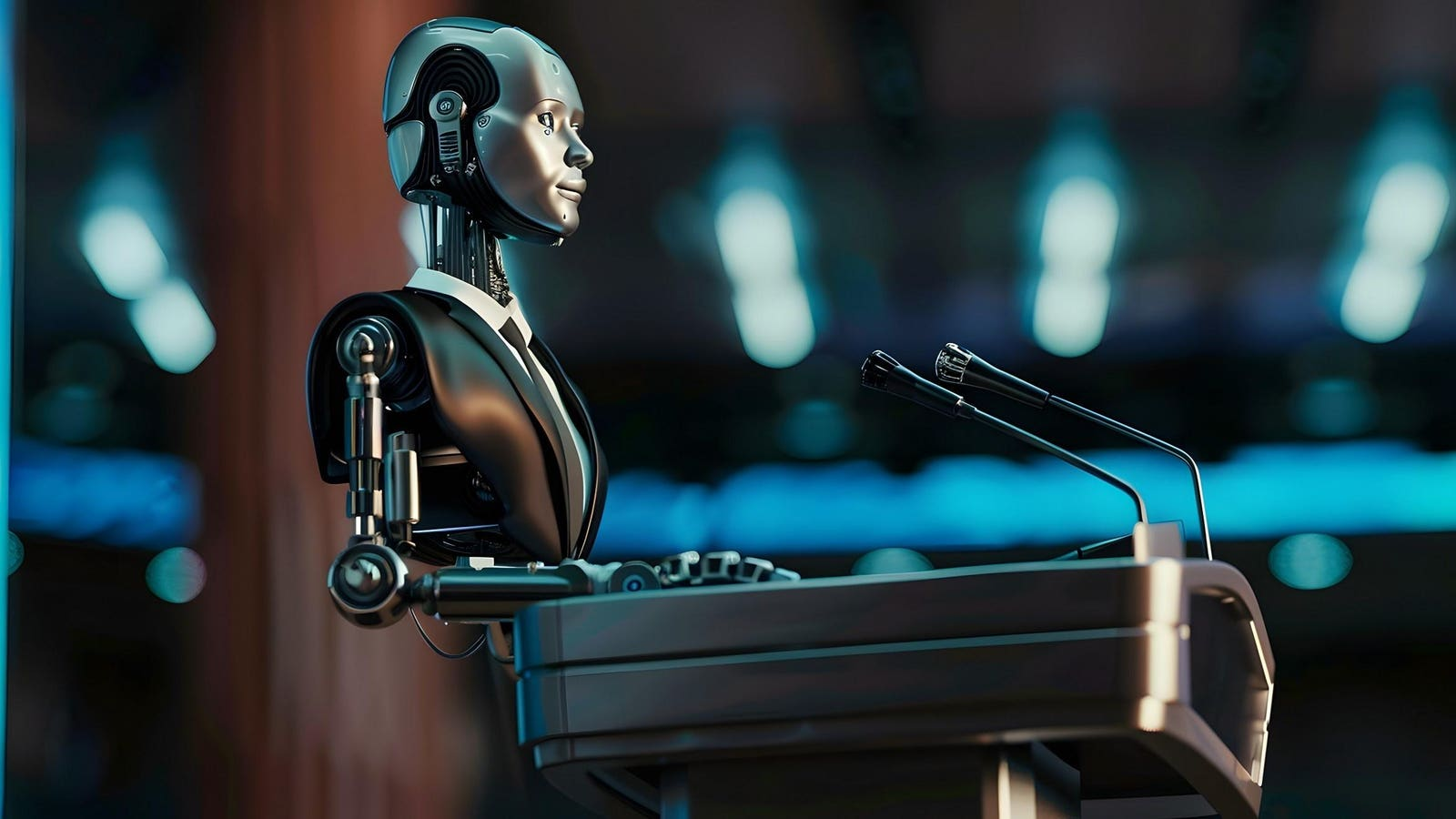
AI Politicians – The Future Of Democracy Or A Threat To Freedom?
As AI technology becomes increasingly integrated into elections, its potential impact on democracy is profound and multifaceted.
1–2 minutes

TOP STORIES

Obama stresses Democrats must prioritize AI safety and economic strategy …

Amodei’s call for caution in AI development highlights the need for safety and alignment …

Sony Music and Warner Music have sued Anthropic, accusing it of copyright infringement in AI training …

Huang believes Nvidia’s position in AI will lead to another year of record growth …

Anthropic’s report reveals a surge in distillation attacks by Chinese AI firms on U.S. models …

AI agents’ autonomy poses significant risks, as demonstrated by a recent breach …



