The House Foreign Affairs Committee has taken a significant step towards restricting the export of artificial intelligence systems to China, citing concerns that Beijing could exploit them to bolster its military capabilities. The bipartisan bill, which was approved with an overwhelming majority, would grant the Commerce Department the authority to bar Americans from working with foreigners to develop AI systems that pose risks to US national security. This move is seen as a crucial step in preventing the unintentional fueling of China’s technological advancements, which could be used to enhance its surveillance state and war machine. The bill’s sponsors warn that without such legislation, top US AI companies could inadvertently contribute to China’s military rise. This development is part of a broader effort by Washington to counter China’s AI ambitions, which includes a proposed $32 billion funding for AI research and plans to place guardrails around advanced AI models.
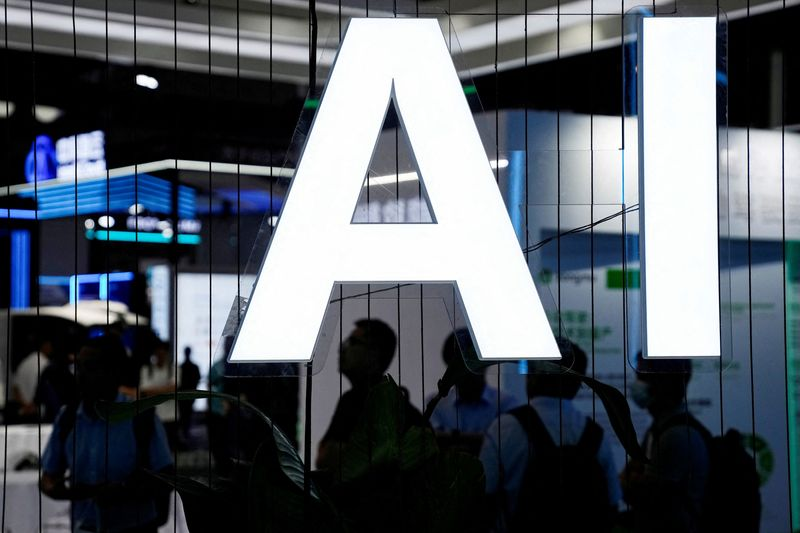
US lawmakers crack down on AI exports to curb China’s military rise
Without this legislation “our top AI companies could inadvertently fuel China’s technological ascent, empowering their military and malign ambitions”
1–2 minutes

TOP STORIES

The midterm elections reveal a growing public backlash against data centers, prompting tech companies to rethink their strategies …

Hundreds of instances of the AI hacking tool Artex are exposed online, raising cybersecurity risks …

AI spending growth has stalled as competition drives prices down and firms become more efficient …

Tesla is discontinuing the Cybertruck to focus on producing robotaxis …

Palo Alto Networks is negotiating to acquire Clutch Security for $500 million, focusing on AI access security …

AI models are changing the landscape of cybersecurity, revealing vulnerabilities faster than ever …