
The prevalence of deepfake technology is accelerating at an alarming rate, presenting a significant threat to enterprises globally. Deepfake-related losses are forecasted to skyrocket from $12.3 billion in 2023 to $40 billion by 2027, with a compound annual growth rate of 32%. Banking and financial services are primary targets, with deepfake incidents expected to increase by 50% to 60% in 2024. The affordability and accessibility of generative AI tools allow attackers to create convincing deepfake videos, voices, and documents easily. As a result, deepfake fraud is costing contact centers an estimated $5 billion annually. Despite this, many enterprises are unprepared for adversarial AI attacks. A significant portion, 30%, have no strategies to address such risks, and 60% of cybersecurity leaders fear their organizations are ill-equipped to defend against AI-powered threats. CEO impersonation via deepfakes is a particularly favored tactic among cybercriminals, further complicated by nation-states leveraging generative adversarial networks (GANs). Enterprises must urgently address these vulnerabilities to avoid falling behind in the AI arms race.
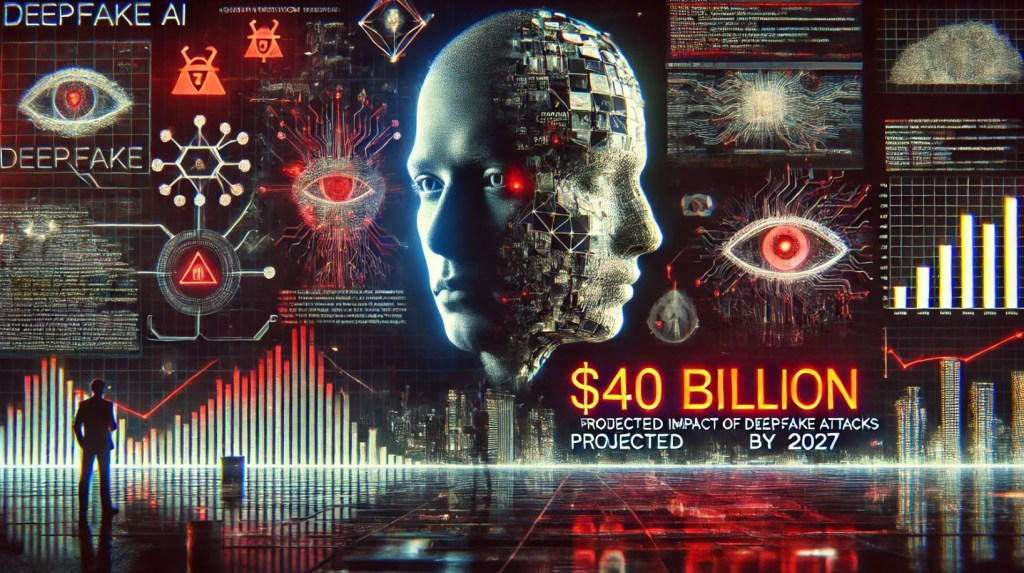
Deepfake Threats – A Looming Crisis for Enterprises
The rapid rise of deepfake technology poses a critical threat to enterprises, particularly in banking and financial services.
1–2 minutes

TOP STORIES

Obama stresses Democrats must prioritize AI safety and economic strategy …

Amodei’s call for caution in AI development highlights the need for safety and alignment …

Sony Music and Warner Music have sued Anthropic, accusing it of copyright infringement in AI training …

Huang believes Nvidia’s position in AI will lead to another year of record growth …

Anthropic’s report reveals a surge in distillation attacks by Chinese AI firms on U.S. models …

AI agents’ autonomy poses significant risks, as demonstrated by a recent breach …



