
In a May 2024 report, Goldman Sachs forecasts that by 2030, data centers will consume 8% of the U.S.’s total power supply, up from 3% in 2022, driven by the increasing demand for AI infrastructure. This surge implies that U.S. utilities will need to invest around $50 billion in new power generation capacity. The expansion of data centers, such as Meta’s new facility in Kansas, has already led to utilities like Evergy delaying the retirement of coal plants, raising concerns about environmental impacts and increased utility costs for consumers. However, the co-founders of Phaidra, Jim Gao, Katie Hoffman, and Vedavyas Panneershelvam, offer a solution through AI-powered control systems that optimize energy usage in data centers. Phaidra’s technology can significantly reduce the energy needed for cooling, which typically accounts for 40% of a data center’s power consumption. Their innovative approach, combining physics knowledge with AI learning models, has attracted significant investment and notable clients, positioning them to address the growing energy demands of data centers effectively.
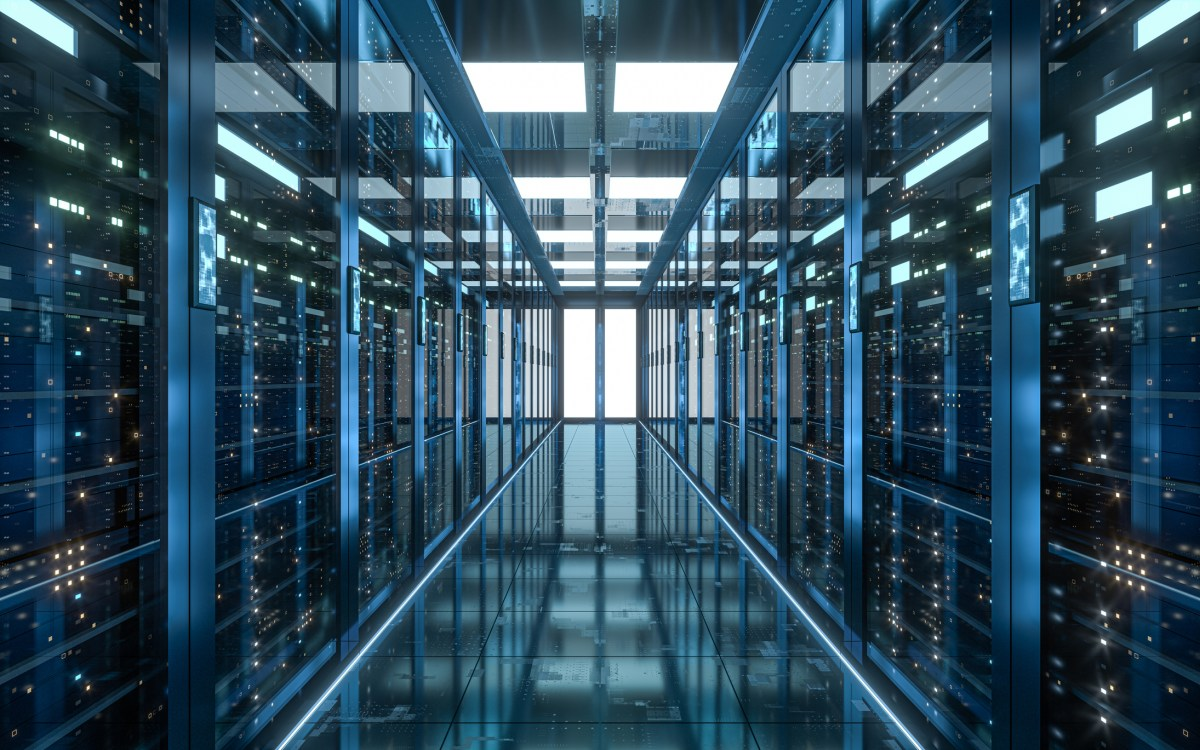
Electricity Demand Surge – AI’s Impact on U.S. Power Supply
Phaidra offers AI-driven energy optimization to meet the growing demands of data centers.
1–2 minutes

TOP STORIES

CERT-In reported that AI agents accessed sensitive data in Indian organizations during testing phases …

Flock’s gunshot detection technology faces backlash amid privacy concerns …

OpenAI has alerted the FBI after an employee allegedly planted a hidden recording device in an executive conference room …

Character.AI’s bankruptcy filing reveals the challenges of scaling AI products …

Meta’s new Muse Wonder models promise enhanced capabilities and memory retention for personal AI assistants …

Apple is tightening privacy controls on macOS to protect users from AI risks …



