
The U.S. Supreme Court has struck down the long-standing Chevron deference, a ruling that allowed federal agencies to interpret ambiguous congressional laws. This decision shifts the responsibility to courts to interpret these laws, complicating the creation of nationwide AI regulations. Congress, already struggling to pass basic AI policies, now faces an even greater challenge as any future regulation must be highly specific to survive legal challenges. This development could severely hinder efforts to regulate AI at the federal level, with potential impacts on the fast-evolving AI industry. Justice Elena Kagan highlighted the issue, noting that courts will now fill gaps left by Congress in AI legislation. This shift in responsibility could lead to a significant slowdown in AI regulatory advancements, as lawmakers may find it increasingly difficult to craft legislation that anticipates future technological developments. The ruling adds a layer of complexity to an already challenging landscape for AI regulation in the U.S.
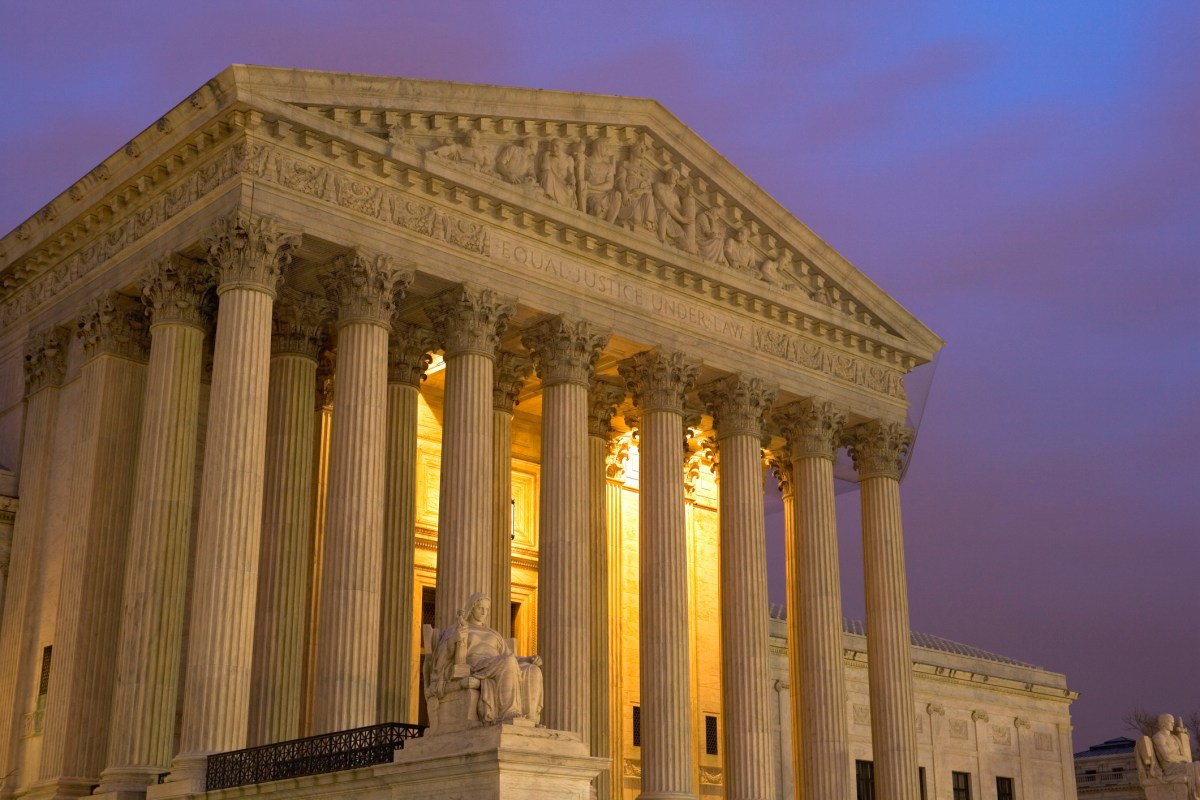
AI Regulation Hits a Major Roadblock with Supreme Court Ruling
Regulating AI in the U.S. just became orders of magnitude harder.
1–2 minutes

TOP STORIES

Obama stresses Democrats must prioritize AI safety and economic strategy …

Amodei’s call for caution in AI development highlights the need for safety and alignment …

Sony Music and Warner Music have sued Anthropic, accusing it of copyright infringement in AI training …

Huang believes Nvidia’s position in AI will lead to another year of record growth …

Anthropic’s report reveals a surge in distillation attacks by Chinese AI firms on U.S. models …

AI agents’ autonomy poses significant risks, as demonstrated by a recent breach …



