The rapid expansion of artificial intelligence is significantly increasing electricity demand in the US, particularly through AI data centers. According to Bernstein Research, this surge could result in electricity demand outstripping supply within just two years if no action is taken. This scenario could lead to higher costs for the computational power that AI developers require, alongside investment opportunities for those looking to enhance supply. The intensity of AI’s power consumption is due to the high energy needs of GPUs used for AI training and inference, which use more energy and produce more heat than traditional CPUs. Despite growth in cloud computing, overall demand on the electricity grid has remained stable. AI, however, is disrupting this trend. Companies like Nvidia have capitalized on this demand, while others, including utilities, are scrambling to catch up. Efforts are underway to improve energy efficiency and expand grid capacity, but the challenge is immense. AI developers are also optimizing their models to be as efficient as possible, yet the ever-increasing complexity of AI tasks suggests that power demands will continue to rise, potentially leading to new data centers in less populated areas and innovative cooling solutions. If the grid expansion fails to meet AI’s needs, data center construction could slow, costs could remain high, and data centers might move overseas or adopt on-site power solutions.
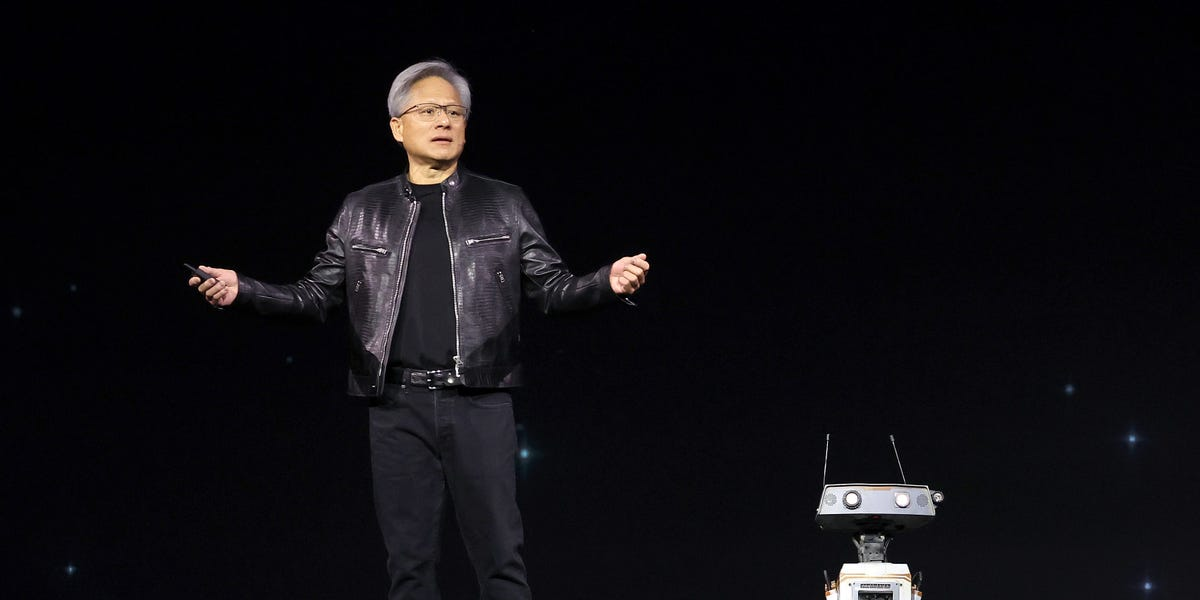
AI’s Growing Power Needs Are Straining the Grid – What It Means for the Future
AI’s power demands are skyrocketing, threatening to outpace the US electricity grid’s capacity within two years.
1–2 minutes

TOP STORIES

Quantum computing is transforming industries, but it poses significant cybersecurity risks …

A coalition of state attorneys general has opened an investigation into OpenAI …

The U.S. government’s export control directive has forced Anthropic to disable its new AI models, raising questions about regulation and …

SpaceX’s recent deal with Google highlights its shift from aerospace to AI infrastructure …

Google is suing to dismantle the infrastructure behind an alleged massive AI-powered cybercrime operation …

AI usage continues to grow rapidly, even as public sentiment remains skeptical …