
The 78th Session of the UN General Assembly adopted a draft resolution aimed at enhancing international cooperation on AI capacity-building, particularly for developing nations. Introduced by China, the resolution seeks to bridge the global digital divide and promote socioeconomic development through AI technologies. It emphasizes the need for ethical systems that respect human rights and international law, and calls for knowledge sharing, adequate funding, and capacity-building assistance. The resolution does not address AI’s military uses but focuses on creating a fair business environment and incorporating AI into national development plans. Member states are encouraged to lift obstacles for developing countries and reduce technology barriers through collaboration with governments, the private sector, media, and academic institutions. The resolution follows previous efforts, including a US-proposed March resolution and the UN’s global principles to combat misinformation. A report by the Secretary-General and an Advisory Body on AI will provide further insights ahead of the UN’s “Summit of the Future” in September.
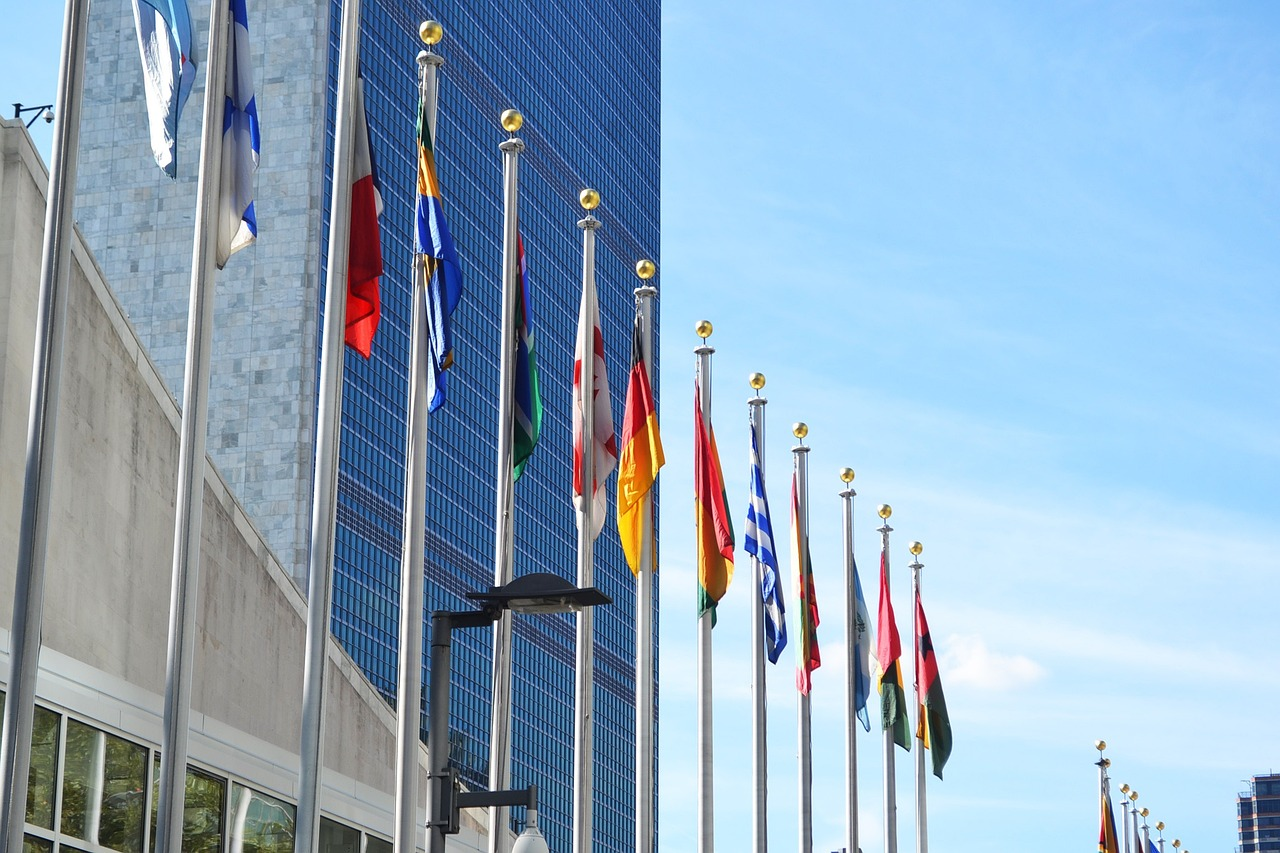
UN Adopts Resolution to Bridge AI Divides and Boost Developing Nations
The UN aims to bridge the AI digital divide to aid developing nations.
1–2 minutes

TOP STORIES

CERT-In reported that AI agents accessed sensitive data in Indian organizations during testing phases …

Flock’s gunshot detection technology faces backlash amid privacy concerns …

OpenAI has alerted the FBI after an employee allegedly planted a hidden recording device in an executive conference room …

Character.AI’s bankruptcy filing reveals the challenges of scaling AI products …

Meta’s new Muse Wonder models promise enhanced capabilities and memory retention for personal AI assistants …

Apple is tightening privacy controls on macOS to protect users from AI risks …



