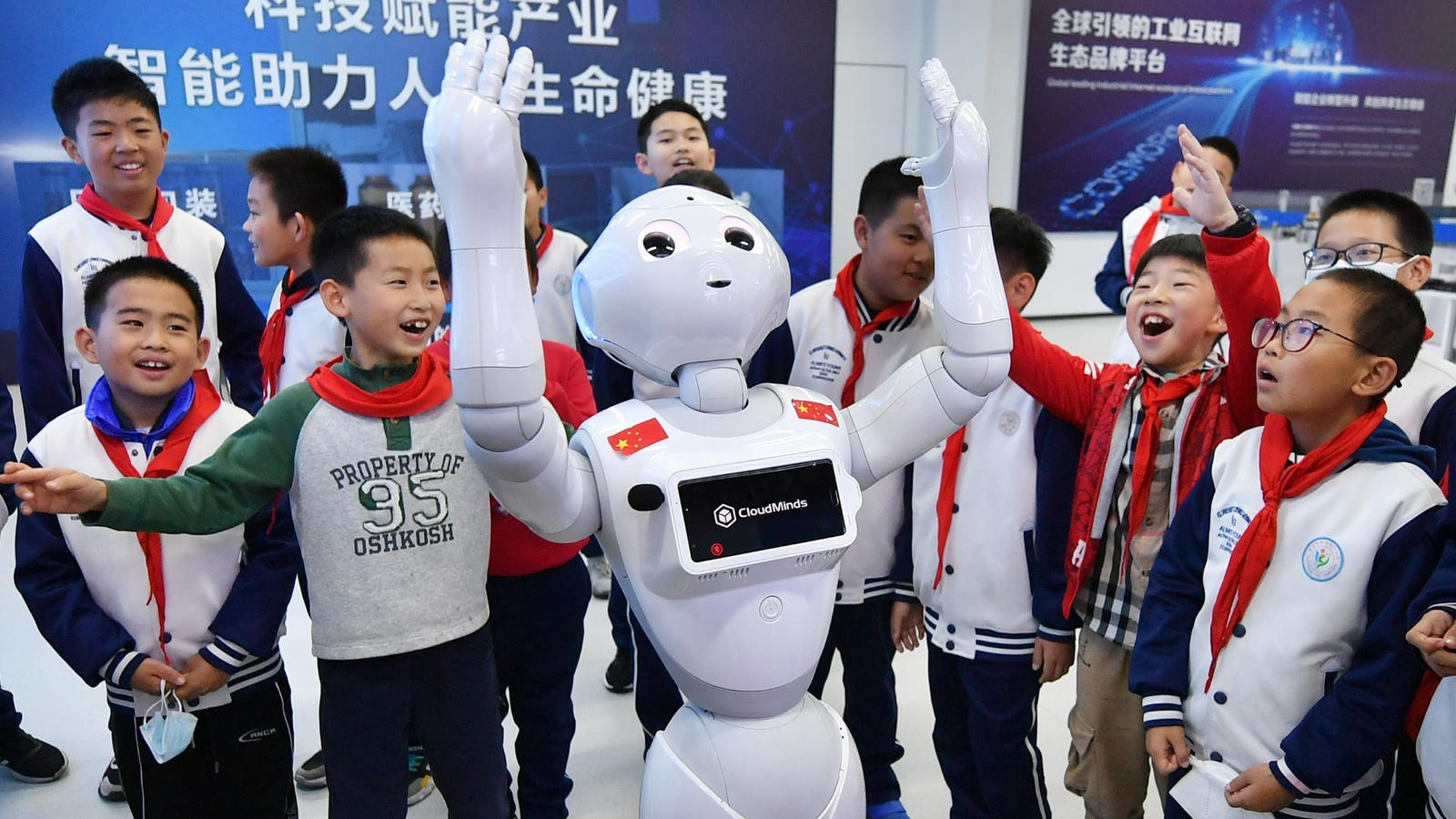
China has surged ahead in the global race for generative AI patents, filing over 38,000 since 2014, according to a new report by the World Intellectual Property Organization (WIPO). This figure dwarfs the combined total of other countries, with China accounting for 70% of the 50,000 patents filed globally over the last decade. The U.S., with approximately 6,300 patents, trails far behind in second place, followed by South Korea, Japan, and India. Despite China’s overwhelming numbers, experts caution that the quantity of patents does not necessarily correlate with their quality or impact. Many Chinese patents may represent incremental improvements rather than groundbreaking advancements. The U.S. maintains a robust innovation environment, supported by a vibrant startup ecosystem. Chinese firms Tencent, Ping An Insurance Group, and Baidu lead the global top ten list of generative AI patent holders. While generative AI patents constitute only 6% of global AI patents, their numbers are rapidly increasing. WIPO predicts that generative AI will significantly impact sectors like life sciences, customer service, and product design. However, the high number of patents in China may also be influenced by state subsidies, tax breaks, and social benefits, which encourage filings. This phenomenon raises questions about the true innovation landscape and the strategic implications for global AI leadership.
China Dominates Generative AI Patents, Leaving Global Rivals Behind
China leads the global race for generative AI patents, but quality and impact remain debated.
1–2 minutes

TOP STORIES

The midterm elections reveal a growing public backlash against data centers, prompting tech companies to rethink their strategies …

Hundreds of instances of the AI hacking tool Artex are exposed online, raising cybersecurity risks …

AI spending growth has stalled as competition drives prices down and firms become more efficient …

Tesla is discontinuing the Cybertruck to focus on producing robotaxis …

Palo Alto Networks is negotiating to acquire Clutch Security for $500 million, focusing on AI access security …

AI models are changing the landscape of cybersecurity, revealing vulnerabilities faster than ever …