
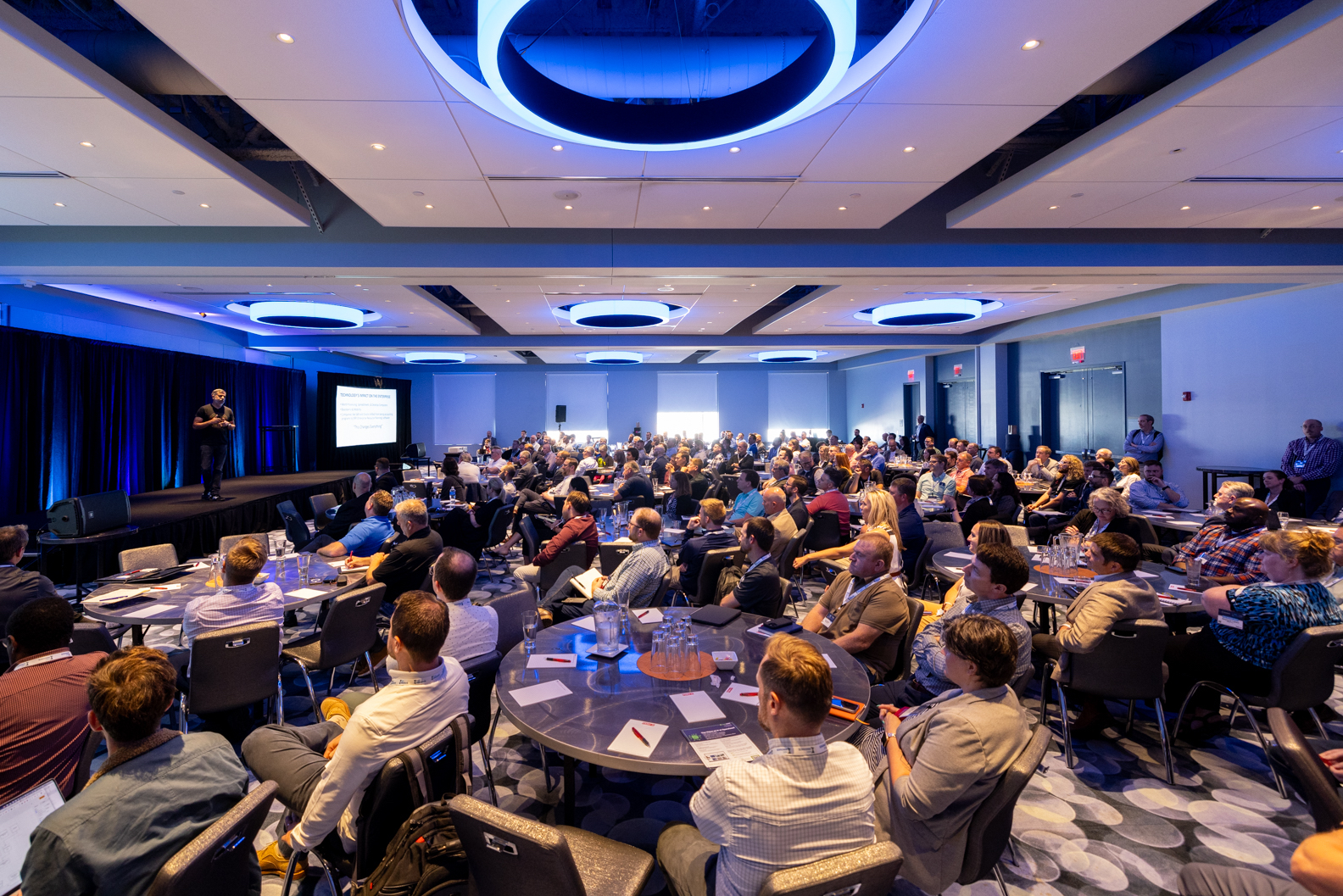
The architecture, engineering, and construction (AEC) industry is abuzz with the potential of artificial intelligence (AI) to transform design, building, and operation. However, despite the excitement, many firms are still struggling to separate the hype from reality. At the first-annual AEC Innovate conference, industry leaders and experts gathered to discuss the current state of AI in AEC, its limitations, and the challenges of implementation.
While AI has the potential to revolutionize the industry, it is still evolving and requires careful consideration of its capabilities and risks. Firms need to be selective in choosing which tools to develop and for what tasks, and must prioritize data accuracy, ethical use, and validation. The conference highlighted the importance of creating a culture where AI is “safe” to use experimentally, but where people, not software or machines, are responsible for outcomes.
The message from the conference was clear: AI is not a panacea, and its value proposition is still uncertain. However, with patience, experimentation, and a focus on improving productivity, AEC firms can unlock the potential of AI to drive innovation and growth.





