
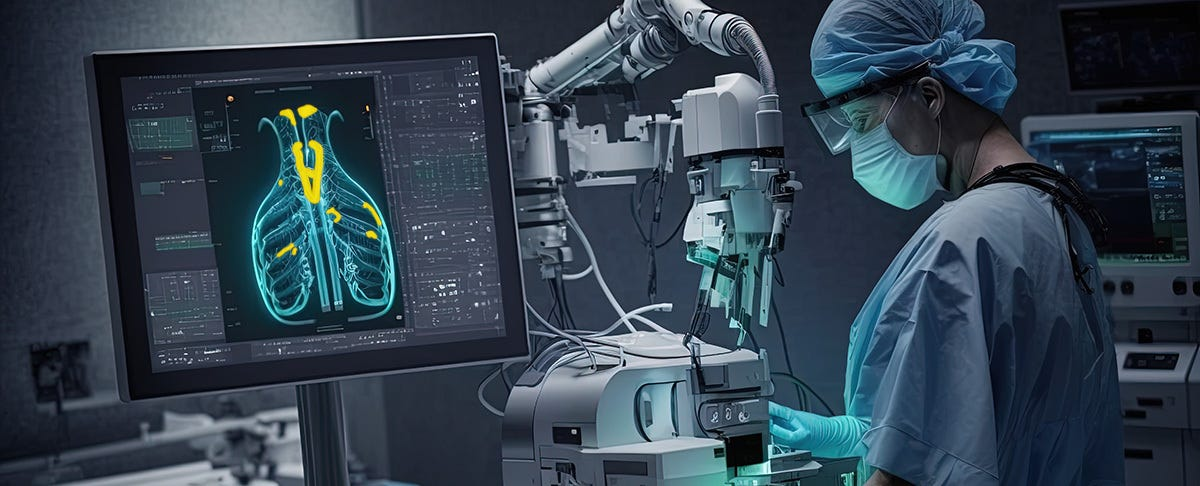
Medical image annotation is transforming healthcare by enhancing diagnostic accuracy and personalized treatment plans. This process involves labeling medical images to train machine learning algorithms for improved medical image analysis.
Key points:
- Annotated images help AI models recognize typical and atypical disease presentations
- The technique is used in various healthcare settings, including tracking human movement
- Accuracy and usefulness are crucial features of medical image annotation
Medical image annotation connects practitioners with vital data, enabling AI to analyze complex medical information efficiently. This collaboration between data labeling companies and AI developers is revolutionizing medical diagnostics and decision-making, ultimately improving patient care quality.
Benefits include early disease detection, enhanced surgical precision, personalized medicine, augmented clinical decision-making, and accelerated drug discovery. However, challenges such as data complexity and the need for consistent, high-quality annotations persist. Automated techniques like computer-aided detection and natural language processing are being developed to address these issues.





