
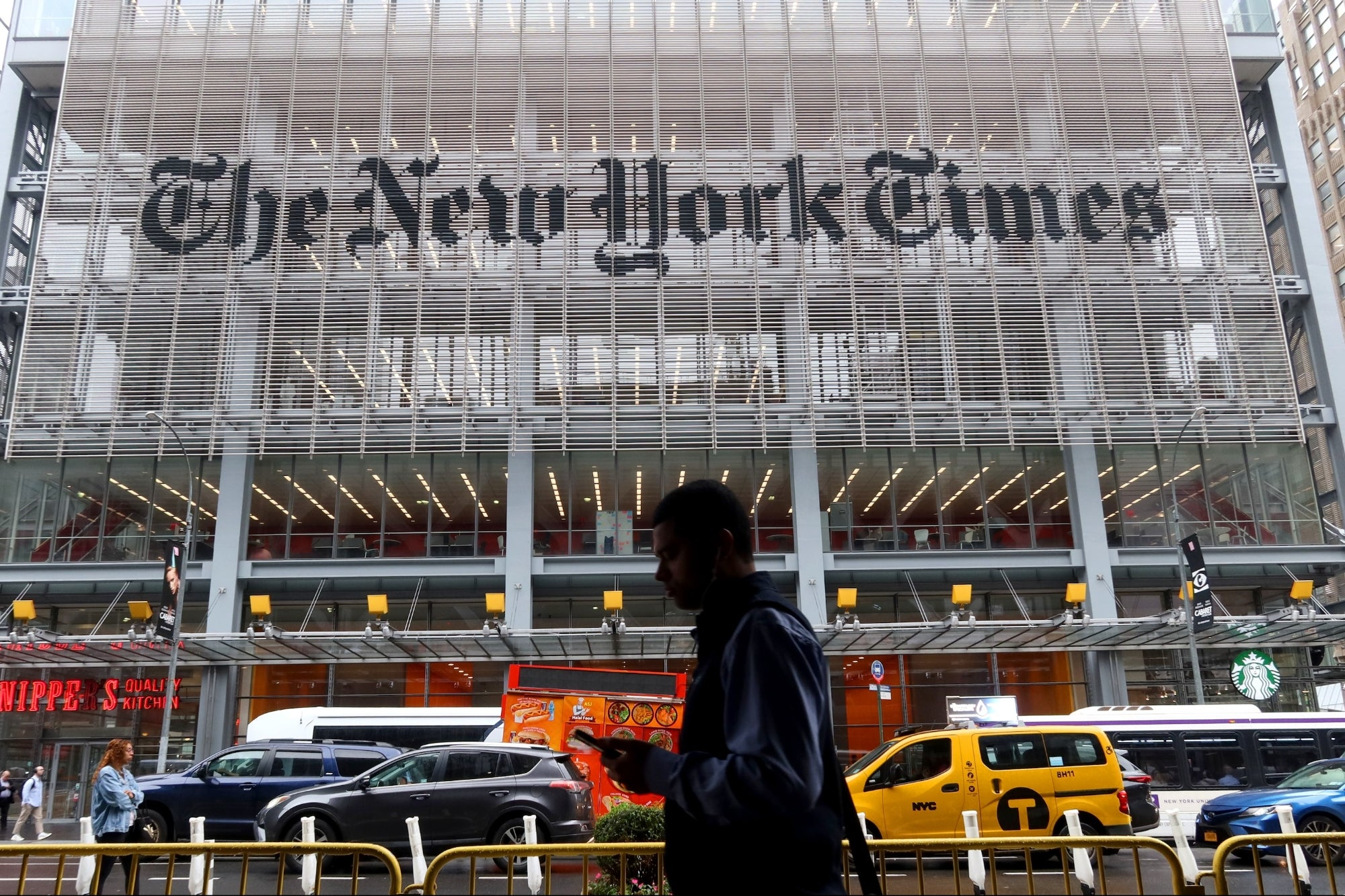
The ongoing legal dispute between The New York Times and OpenAI has taken a new turn, focusing on the originality of NYT’s content. This case, centered on alleged copyright infringement by OpenAI’s ChatGPT, could set a significant precedent in the evolving landscape of AI and media rights.
The core of the conflict revolves around OpenAI’s recent court filing, requesting proof of originality for NYT articles used in ChatGPT’s training. This move has been met with strong opposition from the Times, who view it as harassment. The request encompasses a vast array of materials, including reporters’ notes and interview memos, spanning nearly a century of journalism.
Key points of contention include:
- OpenAI’s demand for evidence of originality in NYT articles
- The Times’ assertion that the request is overly broad and unprecedented
- Concerns about protecting confidential sources and journalistic integrity
- The potential impact on future AI-related copyright cases
This legal battle highlights the complex intersection of AI technology, intellectual property rights, and journalistic practices. As AI continues to reshape information dissemination and content creation, the outcome of this case could have far-reaching implications for both media organizations and AI companies. It underscores the need for clearer guidelines on AI training data usage and copyright protection in the digital age.





