
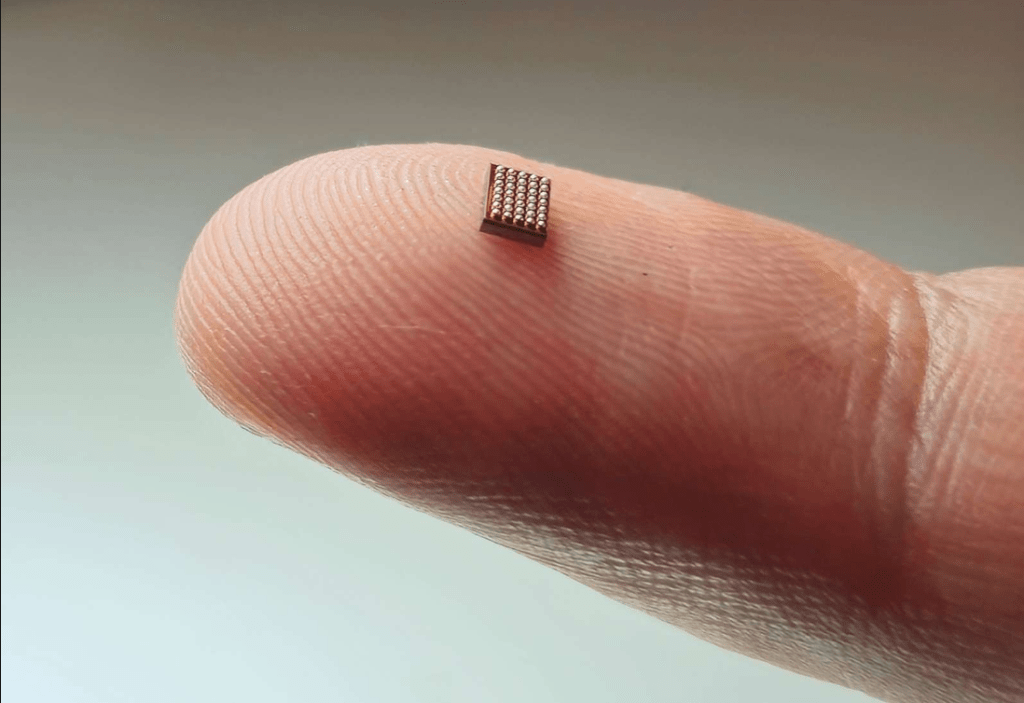
Neuromorphic computing is emerging as a groundbreaking approach to AI hardware, promising to dramatically reduce computational and power requirements. This brain-inspired technology mimics the way biological neurons process information, using networks of artificial neurons that communicate through spikes. Neuromorphic chips offer significant advantages for edge computing applications, enabling complex AI tasks with a fraction of the energy used by traditional solutions.
Key points:
- Neuromorphic processors can perform computations with 500 times less energy than conventional approaches
- Pattern recognition speeds are about 100 times faster than competitors
- Real-world applications include ultra-low power audio processing, sensor fusion for robotics, and privacy-preserving human presence detection
Neuromorphic computing has the potential to transform AI by enabling more efficient and capable devices at the edge. This technology could bridge the gap between artificial and biological intelligence, paving the way for a new generation of intelligent systems that are both more powerful and more sustainable. As the limitations of traditional deep learning architectures become apparent, neuromorphic computing may hold the key to advancing AI capabilities while addressing energy consumption concerns.





