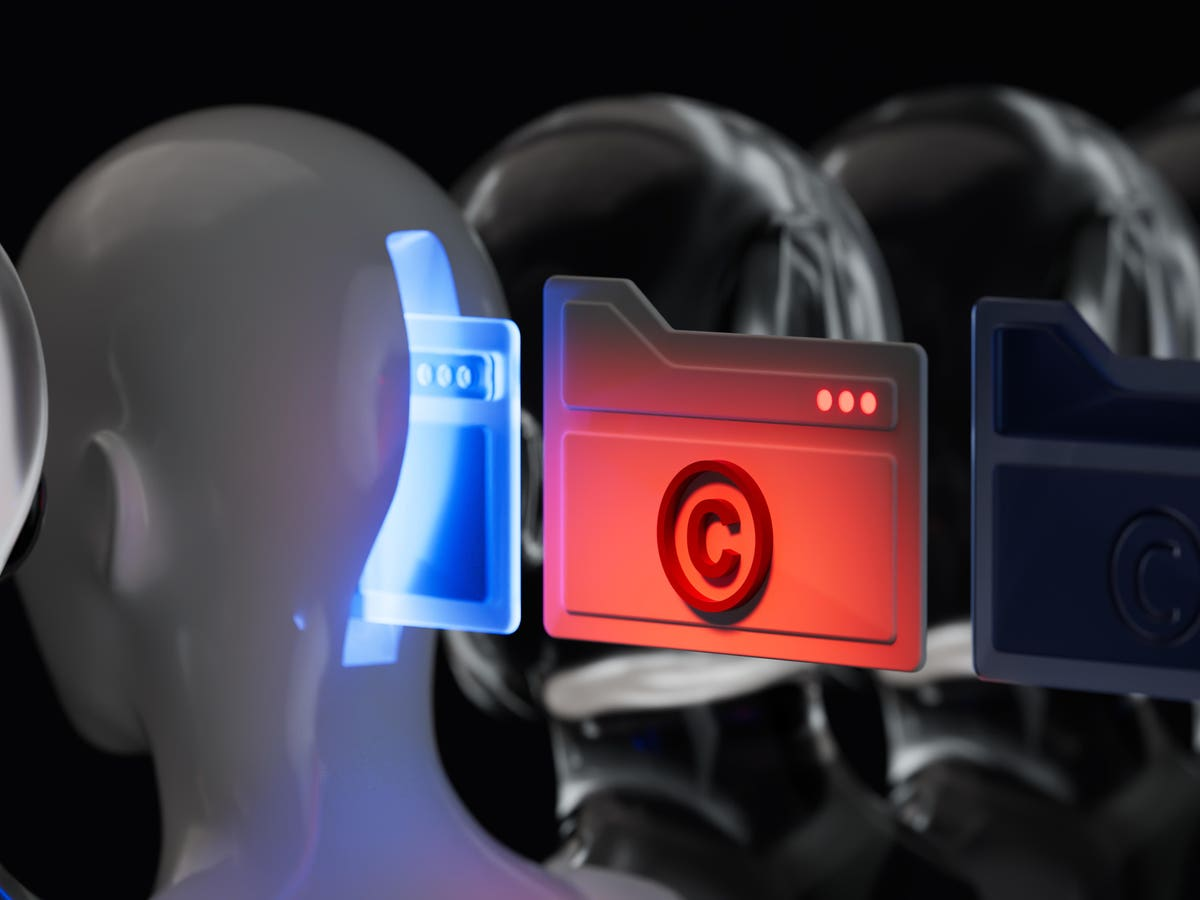
OpenAI has made a provocative request in its ongoing copyright infringement case with The New York Times, seeking access to reporters’ notes and other materials used to create the allegedly infringed works. This move raises significant questions about copyright law, journalistic integrity, and the future of generative AI.
Key points:
1. OpenAI argues the request is necessary to determine if the works are copyrightable and copyrighted.
2. The NYT strongly opposes, calling it unprecedented and potentially harmful to press freedoms.
3. The request could have far-reaching implications for journalism and copyright cases.
The case highlights the complex intersection of AI, copyright law, and journalism. OpenAI’s request challenges traditional notions of copyright protection and journalistic privilege. If granted, it could set a precedent for future cases involving AI and copyrighted content.
This legal battle is crucial because it may shape the future of generative AI development and use of copyrighted materials. The outcome could impact how AI companies train their models and how publishers protect their content. It also raises questions about the balance between technological innovation and intellectual property rights.