
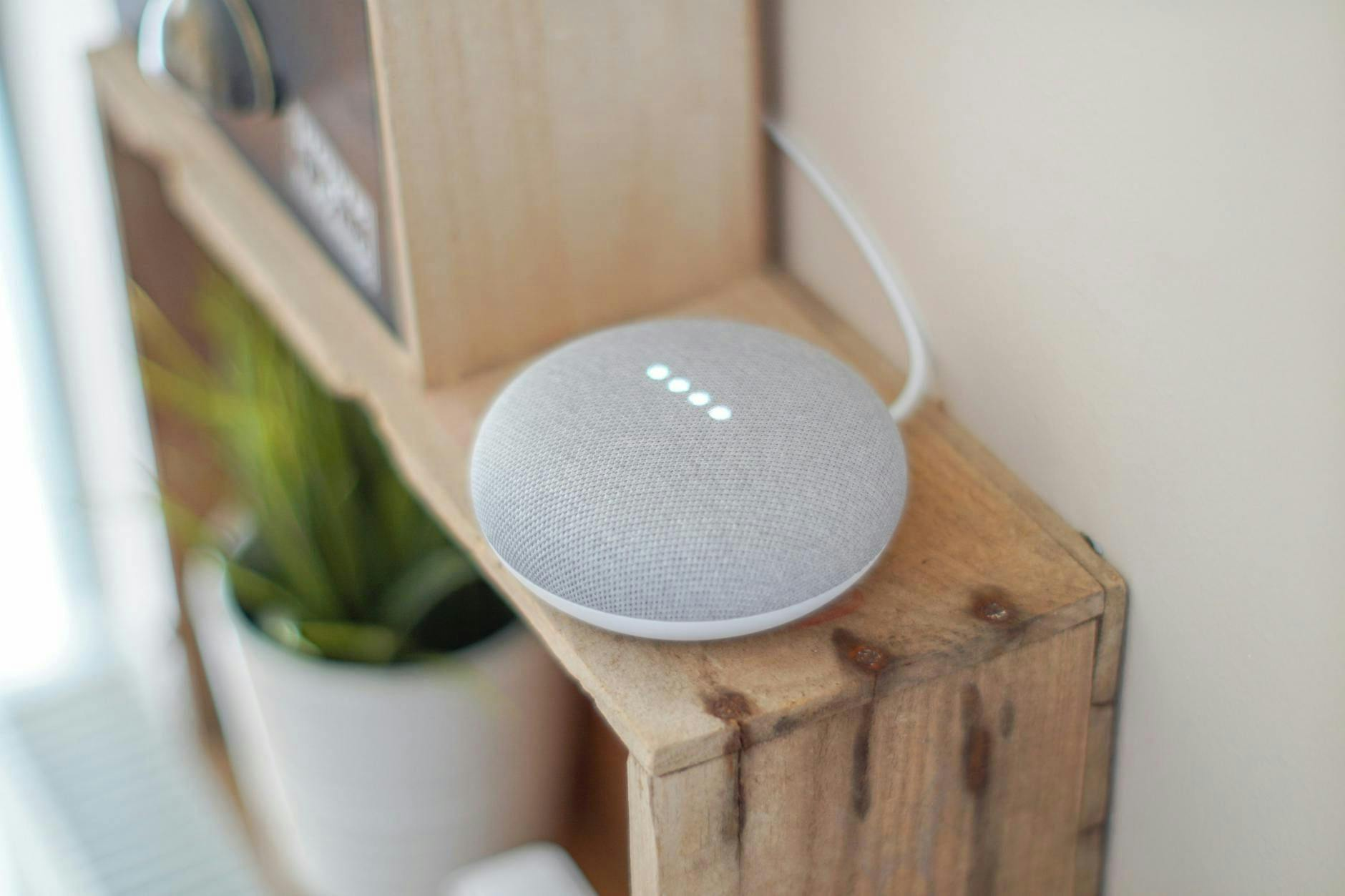
The integration of Artificial Intelligence (AI) into smart home technology is revolutionizing the way we live and interact with our living spaces. This advancement goes beyond simple voice commands to create intelligent ecosystems that can analyze and adapt to our daily activities.
AI-powered smart homes use interconnected devices and sensors to create a seamless, automated living environment. These systems can monitor and adjust various aspects of the home, from temperature and lighting to security and energy usage, based on learned patterns and real-time data.
Main points:
- Intelligent Automation: AI systems can link multiple devices to create a cohesive ecosystem that tracks and analyzes daily activities, adjusting the environment accordingly.
- Enhanced Activity Analysis: Smart devices can learn from user behavior to make proactive adjustments, such as controlling water temperature or managing lighting based on usage patterns.
- Improved Security: AI-enhanced security systems offer better facial recognition, unusual activity detection, and automatic alerts to homeowners and law enforcement.
- Increased Accessibility: AI-powered homes can provide greater independence for individuals with disabilities by automating tasks and adapting to their specific needs.
Why it matters:
The integration of AI into smart homes represents a significant shift in how we interact with our living spaces. This technology has the potential to improve energy efficiency, enhance security, and provide personalized comfort on an unprecedented scale. As demand for these features grows, the real estate market is adapting, with buyers and renters increasingly willing to pay a premium for AI-equipped homes. This trend could reshape urban development and housing markets, potentially exacerbating existing affordability issues in some areas. However, the benefits of increased convenience, safety, and accessibility make AI-powered smart homes an exciting prospect for the future of living.





