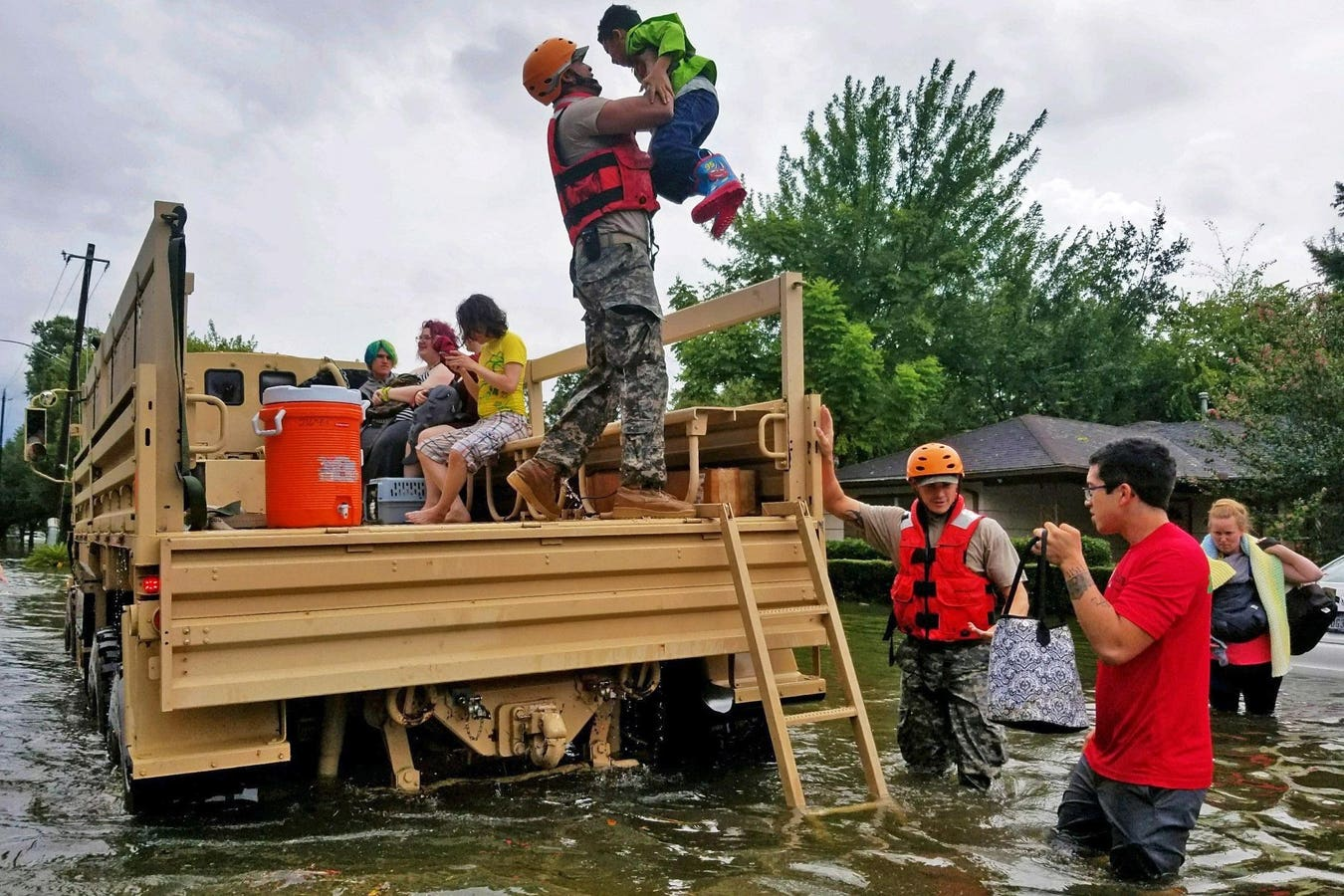
Alphabet’s X division has developed a groundbreaking AI solution to dramatically reduce the time needed for first responders to locate and assist areas affected by climate disasters. This innovation addresses a critical challenge faced by organizations like the National Guard in rapidly deploying resources during emergencies.
The solution tackles the time-consuming process of tagging aerial photos of disaster-stricken areas. Previously, it took about 12 hours to manually tag thousands of images, significantly delaying response times. X’s Bellwether project uses machine learning to match real photos with a database of simulated reference images, enabling almost instant identification of affected locations.
Key points:
- The AI system can quickly identify critical infrastructure like hospitals and damaged bridges
- It assigns confidence levels to matches, filtering out uncertain results
- The technology is being trialed by the National Guard for the upcoming wildfire season
- The approach can be extended to various disaster types, including heat waves and tornadoes
This breakthrough demonstrates the power of predictive AI in solving complex real-world problems. By quantifying and reducing uncertainty, the technology enables faster, more efficient decision-making in high-stakes situations. The project showcases how machine learning can be applied to save lives and mitigate the impact of climate disasters, setting a precedent for future applications of AI in emergency response and environmental science.