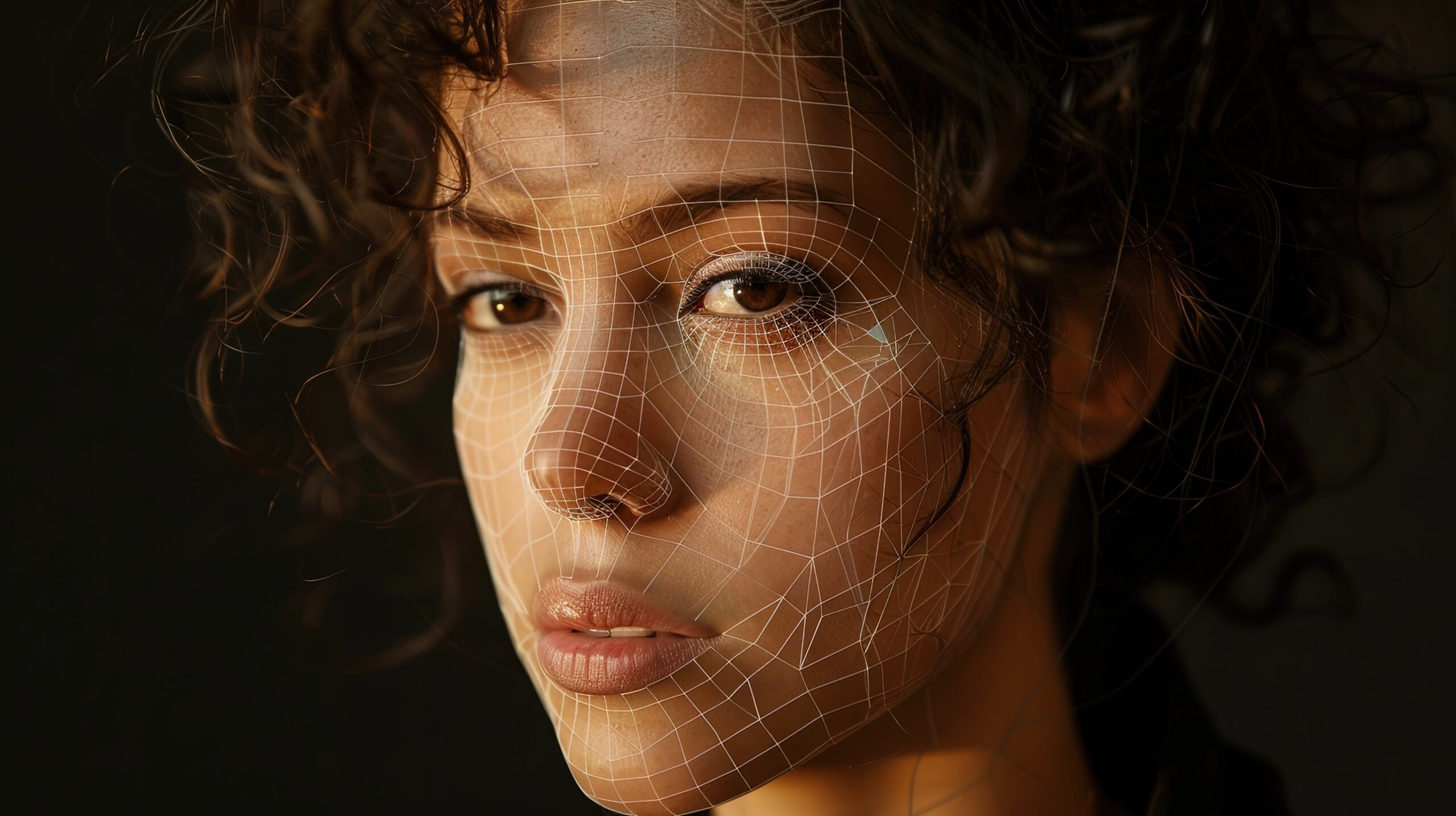
YouTube’s new policy allows individuals to request the removal of AI-generated content that realistically depicts their likeness. This change addresses the growing concern of AI-generated impersonations and their potential misuse.
The policy focuses on protecting individuals’ privacy by enabling them to request the takedown of AI-generated content that realistically simulates their face or voice. YouTube frames this as a privacy issue rather than a misrepresentation problem, likely to avoid the complex task of determining what constitutes misrepresentation on the internet.
Key details:
- Requests are limited to first-party claims, with exceptions for minors, deceased individuals, or those without internet access.
- YouTube considers factors such as realism, public interest value, and whether the content involves public figures.
- Uploaders have 48 hours to address complaints by trimming, blurring, or deleting the video.
- The platform has introduced tools for creators to disclose the use of altered or synthetic media.
Why it matters:
This policy change reflects the growing challenges posed by AI-generated content and its potential for misuse. As AI technology becomes more sophisticated, platforms like YouTube must balance free expression with individual privacy rights. The approach taken by YouTube could set a precedent for how other platforms handle AI-generated impersonations. Additionally, this policy may have implications for political discourse, satire, and entertainment, as the line between authentic and AI-generated content becomes increasingly blurred.