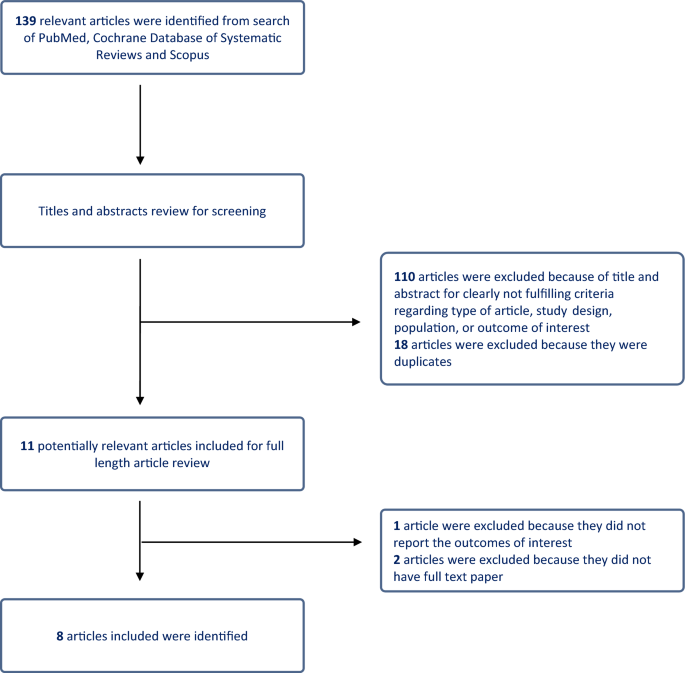
Artificial Intelligence (AI) demonstrates superior diagnostic accuracy in detecting Left Ventricular Hypertrophy (LVH) compared to conventional electrocardiography (ECG) criteria. The study reveals AI’s enhanced sensitivity in LVH detection, surpassing traditional methods like Sokolow–Lyon’s and Cornell’s criteria. While AI exhibits lower specificity, its improved sensitivity positions it as a valuable screening tool when used alongside conventional criteria.
- AI shows higher overall diagnostic accuracy for LVH detection compared to traditional ECG criteria
- AI demonstrates increased sensitivity but lower specificity than conventional methods
- Researchers suggest using AI as a complementary screening tool alongside traditional criteria
The study highlights AI’s potential to address limitations in conventional LVH detection methods. By incorporating diverse input data, including raw ECG data and patient characteristics, AI algorithms can utilize a broader range of ECG features. This approach allows for more comprehensive analysis and improved diagnostic performance. However, the lack of transparency in AI decision-making processes remains a challenge, potentially obscuring important prognostic markers.
This research underscores the evolving landscape of medical diagnostics, showcasing AI’s ability to enhance detection of heart conditions. As AI continues to advance, it may revolutionize how healthcare professionals approach ECG analysis and LVH diagnosis, potentially leading to earlier detection and improved patient outcomes.