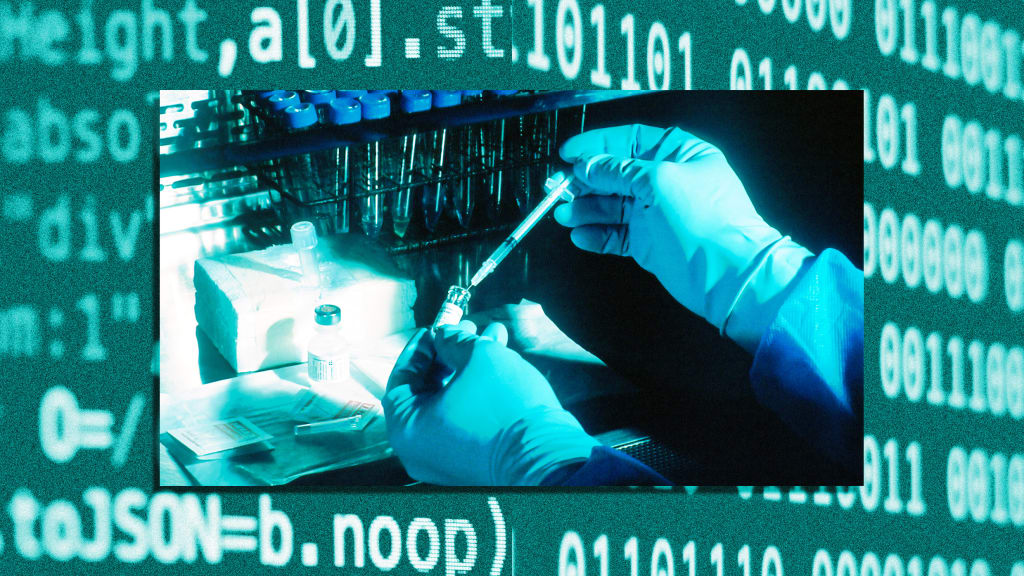
The fight against cancer is entering a new era, powered by artificial intelligence and advanced genomic testing. This groundbreaking approach offers hope for more effective, personalized treatments tailored to each patient’s unique genetic profile.
AI is transforming cancer diagnostics, treatment, and drug development by analyzing complex data from advanced genomic and biomarker testing. This technology helps clinicians make more informed decisions by finding patterns in vast amounts of health data, leading to more personalized and effective treatment plans.
Key Points:
- Next-generation sequencing (NGS) provides detailed genetic information, enabling AI to identify specific cancer mutations and recommend targeted therapies.
- AI can analyze multiple data sources, including clinical history and medical imaging, to create a comprehensive picture of each patient’s condition.
- As more patients undergo genetic testing, AI models become smarter, improving their ability to support individual treatment decisions.
- Nearly 60% of new oncology drugs require biomarker testing, making access to this technology crucial for optimal cancer care.
This AI-driven approach to cancer treatment has the potential to transform a cancer diagnosis from a terrifying prospect to a manageable condition. By leveraging the power of data and technology, healthcare providers can offer more precise, effective treatments with fewer side effects. However, realizing this potential requires increased awareness and advocacy to ensure widespread access to genetic testing and AI-powered analysis. As this technology becomes more widely adopted, it could lead to a future where cancer is treated as a chronic, manageable disease rather than a life-threatening condition.