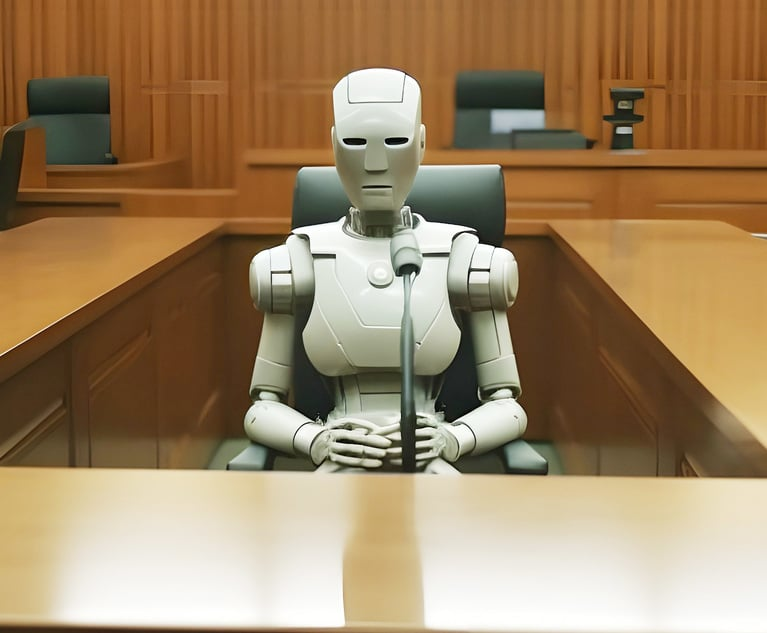
Generative AI’s potential in legal settings is enticing, promising efficiency and clarity in complex tasks. However, its application in courtrooms faces significant hurdles due to the nuanced nature of legal proceedings.
The courtroom environment involves diverse audiences with unique needs:
- Judges require legally sound arguments tailored to their experience and philosophy
- Jurors need clear, relatable presentations of complex legal concepts
- Client representatives have varying goals and concerns about trial outcomes
- Witnesses require careful preparation and management, considering factors beyond the courtroom
Generative AI currently lacks the ability to adapt to these individualized needs and dynamic contexts. It cannot provide the nuanced approach required for different audiences, nor can it navigate the complex emotional and strategic aspects of a trial. The technology’s limitations in understanding context, adapting to real-time changes, and providing personalized reassurance make it unsuitable for courtroom use at present.
This reality check on generative AI’s capabilities in legal settings underscores the irreplaceable value of human expertise in the courtroom. While AI may eventually enhance legal processes, its current limitations highlight the need for cautious implementation and continued reliance on human judgment in the legal field.