
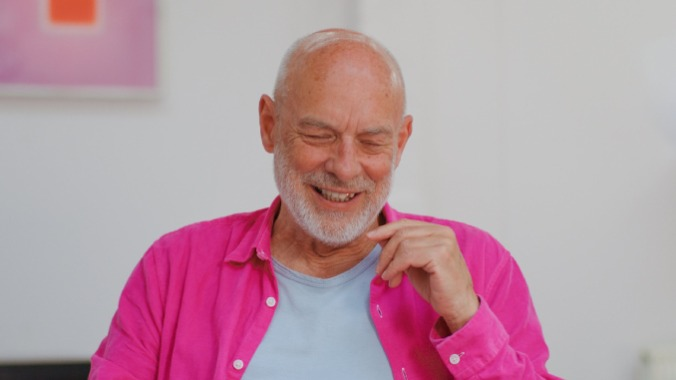
Eno’s Essence Lost in Translation
Gary Hustwit’s documentary “Eno” attempts to capture the career of avant-garde artist Brian Eno through an AI-driven generative filmmaking approach. However, this method fundamentally misunderstands Eno’s creative philosophy, which emphasizes using technology to enhance human artistic ability rather than replace it. The film’s reliance on AI to randomly string together sequences from Eno’s visual archive results in a disjointed narrative that lacks coherence and depth.
Key Aspects of the Documentary
- The film incorporates AI software to create a unique version for each viewing
- It covers various stages of Eno’s career, including his work with U2, Talking Heads, and Devo
- Extensive interviews with Eno provide insights into his sonic fascinations and creative process
- The documentary touches on Eno’s childhood, involvement in Roxy Music, and the creation of “Oblique Strategies”
Misalignment with Eno’s Artistry and Values
The generative filmmaking approach contradicts Eno’s own artistic methods and environmental values. While Eno’s generative music techniques involved tangible artistry alongside technology, the film’s AI-driven editing lacks creative intention. Moreover, the energy-intensive nature of AI technology clashes with Eno’s strong environmentalism. This disconnect highlights the film’s failure to truly capture the essence of its subject, ultimately resulting in a project that seems to argue against its own existence.





