
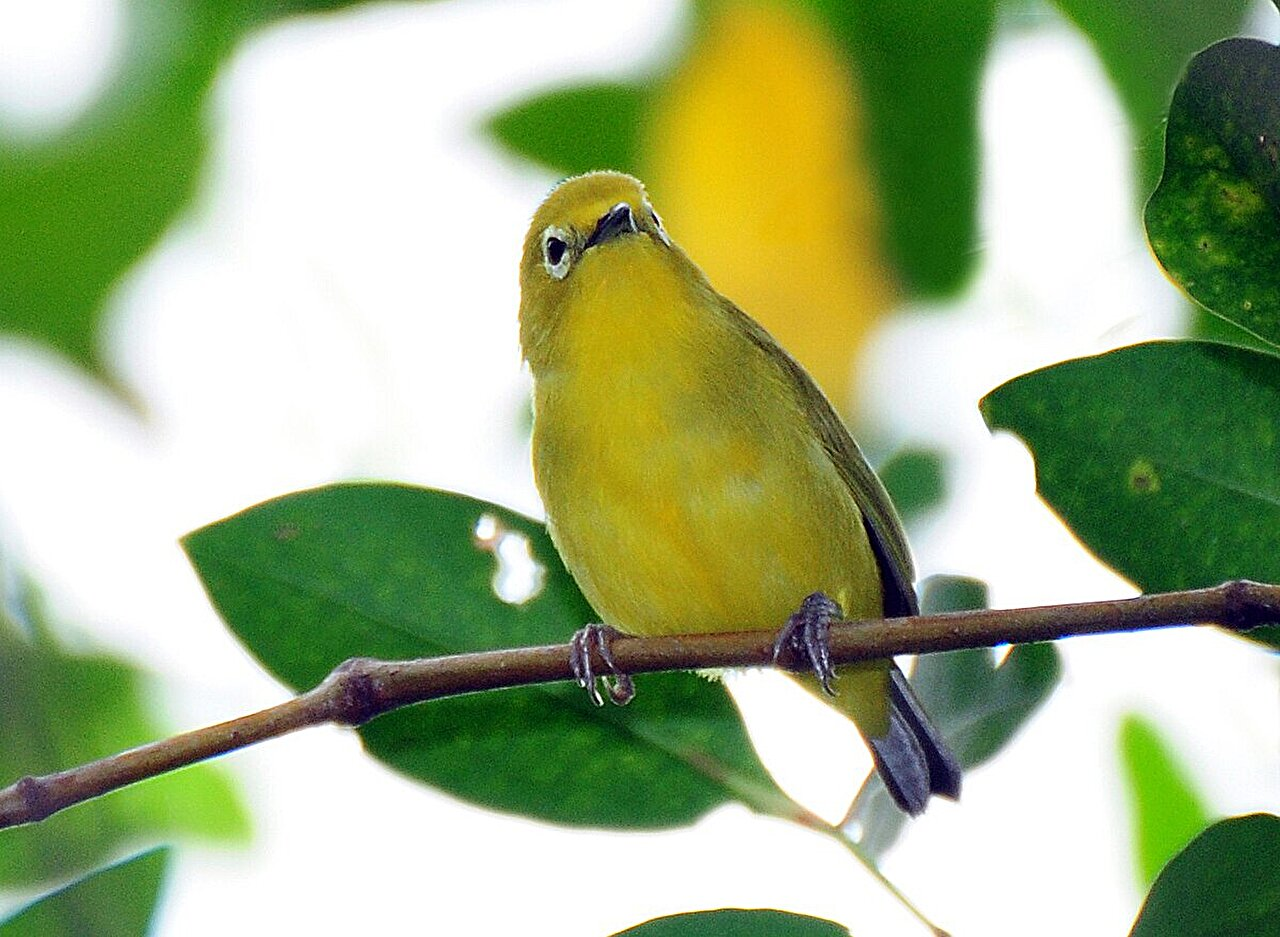
Innovative Solution to a Pressing Problem
Wildlife trafficking poses a significant threat to biodiversity, with over a third of the world’s bird species harvested for sale in markets valued at tens of billions of dollars annually. This illegal trade is pushing many species, particularly songbirds in East and Southeast Asia, to the brink of extinction. The challenge lies in accurately identifying endangered species, especially when traders alter birds’ appearances to evade detection.
Key Developments in AI-Powered Identification
- Researchers developed an AI tool using deep learning techniques to identify white-eye species from their vocalizations.
- The system utilizes bioacoustic data from public databases to train neural networks in recognizing unique acoustic patterns.
- The AI model achieved over 90% accuracy in distinguishing between 15 commonly traded, visually similar white-eye species.
Potential Impact on Conservation Efforts
This technology has far-reaching implications for wildlife protection. It can be integrated into smartphone apps, enabling law enforcement, customs agents, and even citizen scientists to identify bird species instantly in various settings. This non-invasive, rapid, and highly accurate method offers a powerful solution to the challenge of distinguishing look-alike species in real-time. As AI and cloud computing continue to advance, such innovative approaches could revolutionize biodiversity protection efforts and help combat wildlife trafficking on a global scale.





