
The AI Revolution and Your Data
The rapid proliferation of consumer-facing AI tools, from ChatGPT to Google Gemini, has ushered in a new era of technological convenience. However, this convenience comes with a caveat: the potential compromise of personal privacy. As these AI assistants become increasingly integrated into our daily lives, understanding their data policies and taking proactive steps to protect our information has never been more crucial.
Key Privacy Considerations
- AI tools have varying privacy policies and data retention practices
- Many consumers are unaware of how their data is being used or could be used
- There’s no universal opt-out option across all AI platforms
- Experts advise against allowing AI to train on personal data due to potential risks
Protecting Your Privacy in the AI Age
1. Read Privacy Policies Carefully: Before using an AI tool, thoroughly review its privacy policy. Look for information on data usage, sharing practices, and opt-out options.
2. Avoid Sharing Sensitive Information: Be cautious about inputting personal or confidential data into AI models, as this information may be used for training purposes.
3. Utilize Opt-Out Features: Take advantage of opt-out options provided by platforms like ChatGPT and Google Gemini to prevent your data from being used for model training.
4. Set Short Retention Periods: When possible, configure AI tools to retain your data for only short periods, and delete chats after obtaining the desired information.
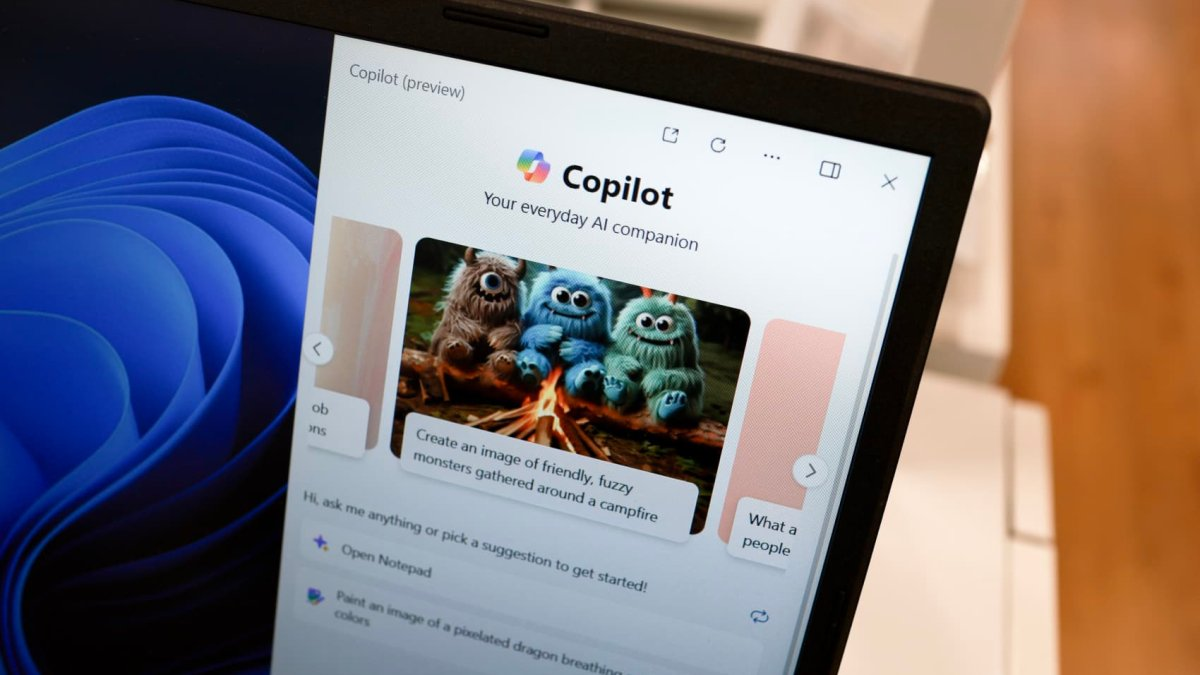
5. Be Selective with Opt-Ins: Carefully consider the implications before opting into data-sharing features, such as those offered by Microsoft Copilot.
The Bigger Picture
As AI continues to evolve and integrate into our lives, the balance between convenience and privacy becomes increasingly delicate. By staying informed and taking proactive measures to protect our data, we can harness the benefits of AI while minimizing potential privacy risks. This approach not only safeguards our personal information but also encourages the development of more privacy-conscious AI technologies in the future.





