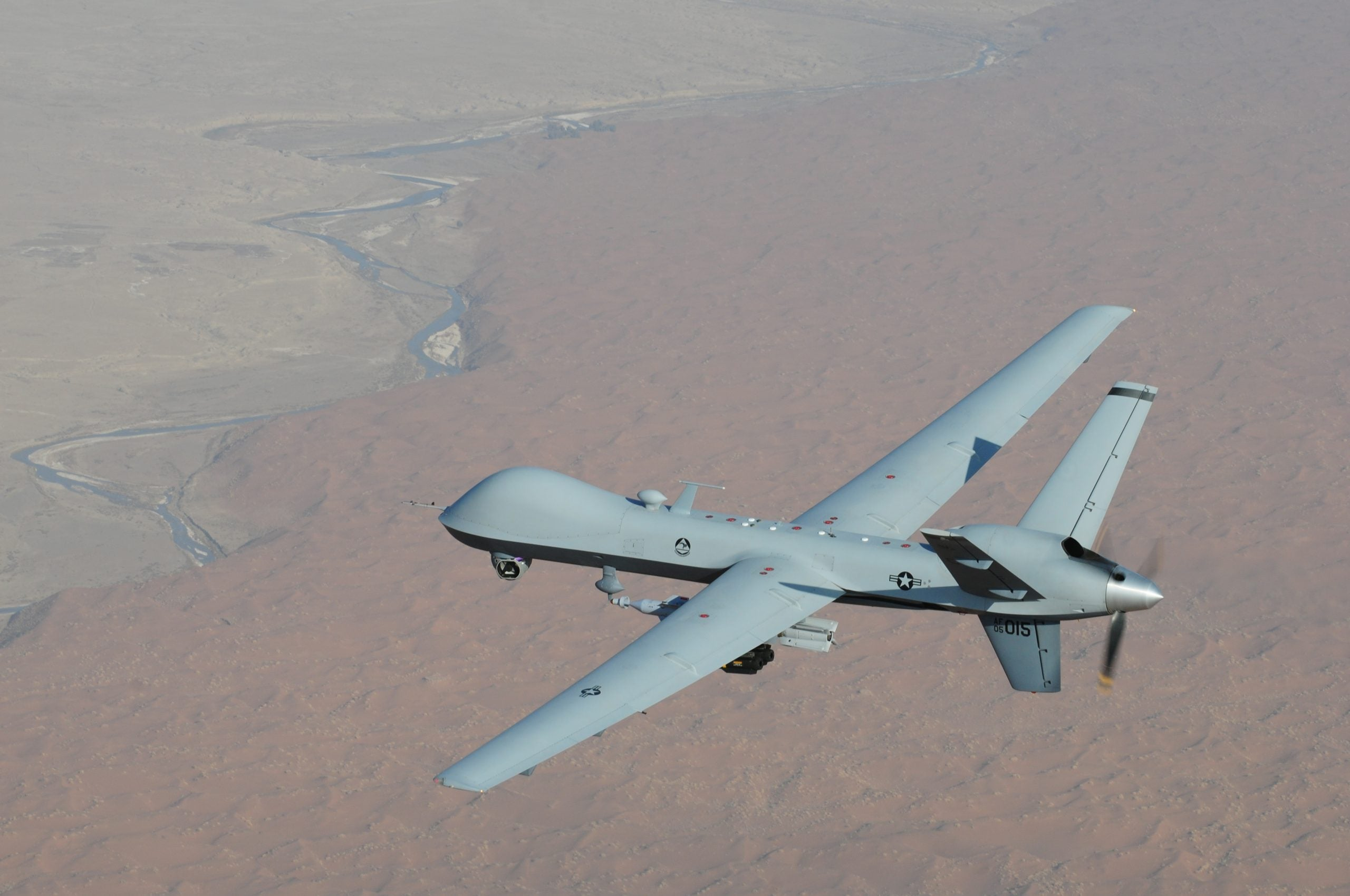
The Rise of AI in Conflict
The past decade has witnessed a significant increase in the use of artificial intelligence (AI) across various aspects of human life, including modern warfare. This escalating weaponization of AI draws parallels to the nuclear arms race of the Cold War, with automated weapons systems replacing nuclear weapons as the new frontier of military technology.
Key Developments and Challenges
- The international community began addressing AI’s impact on warfare in 2012, with policy directives and calls for regulation.
- Competing definitions of Automated Weapons Systems (AWS) exist, complicating efforts to establish a unified regulatory framework.
- The UN Convention on Conventional Weapons has yet to agree on regulations for AWS, despite ongoing discussions.
Global Implications and Ethical Concerns
The race for AI supremacy in warfare is reshaping global power dynamics and raising critical ethical questions. Major powers and private tech companies are investing heavily in AI and drone technology, with the potential for fully autonomous weapons looming on the horizon. This rapid advancement poses significant challenges for international law and ethics, particularly concerning the distinction between combatants and civilians in conflict situations.
As AI continues to revolutionize modern warfare, the need for a robust and flexible international legal framework becomes increasingly urgent. The international community must work towards establishing regulations that ensure meaningful human control over automated weapons systems while keeping pace with rapid technological advancements.