Defining the Undefined
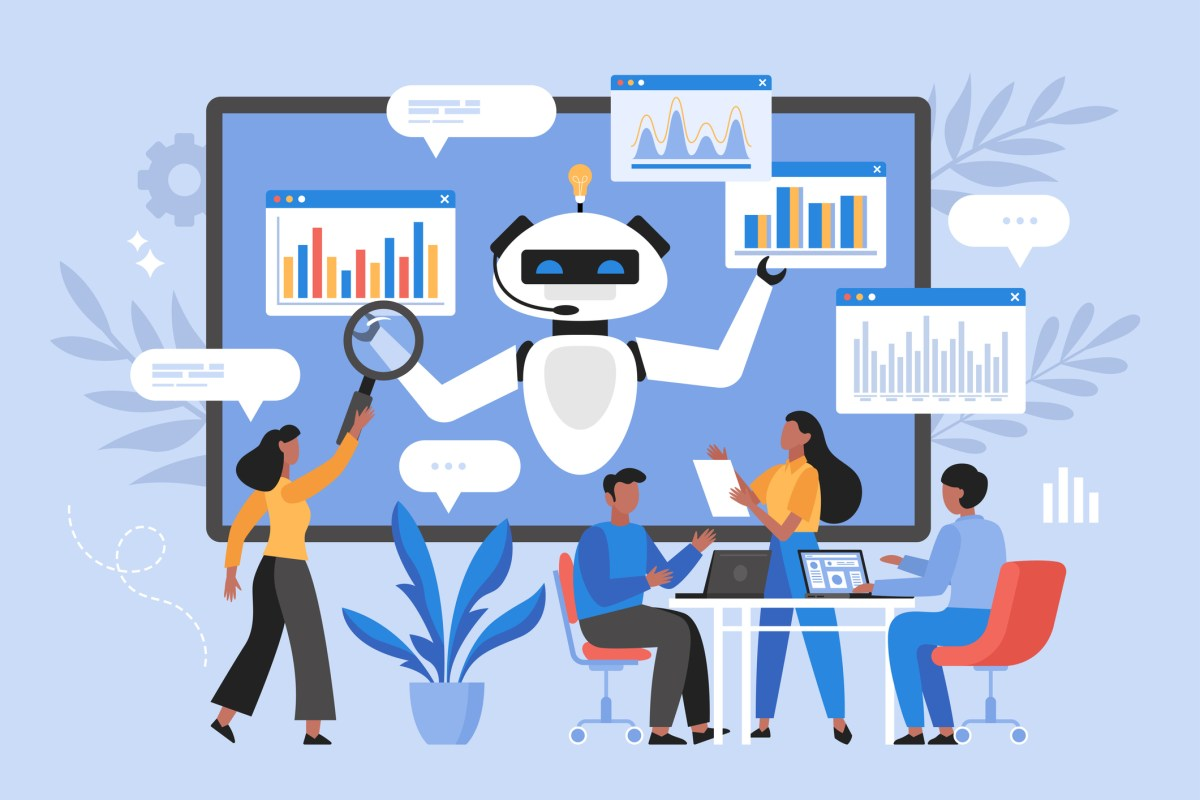
AI agents are emerging as a transformative force in automation, yet their exact definition remains elusive. At their core, AI agents are AI-powered software designed to perform tasks traditionally handled by human workers, such as customer service representatives or IT support staff. These agents can operate across multiple systems, executing complex tasks beyond simple question-answering.
Key Aspects of AI Agents
- Varied interpretations: Tech giants like Google view them as task-specific assistants, while others see them as virtual co-workers or advanced customer experience tools.
- Autonomous operation: AI agents aim to complete tasks with minimal human intervention, using various AI technologies like natural language processing and machine learning.
- Evolving capabilities: As AI technology advances, these agents are expected to handle increasingly complex tasks and operate more independently.
Challenges and Future Prospects
The development of AI agents faces several hurdles, including the need for improved cross-system integration and the ability to handle unforeseen contingencies. Experts anticipate the creation of a specialized AI agent infrastructure to support their growth. While the potential of AI agents is significant, it’s crucial to recognize that we’re still in a transitional phase. Achieving truly autonomous agents capable of complex reasoning and independent task execution remains a goal for the future, requiring further technological advancements and breakthroughs.